‘Currencies don’t lie…’: Financial advisor says rupee near ₹90 is a reality check, not a crisis
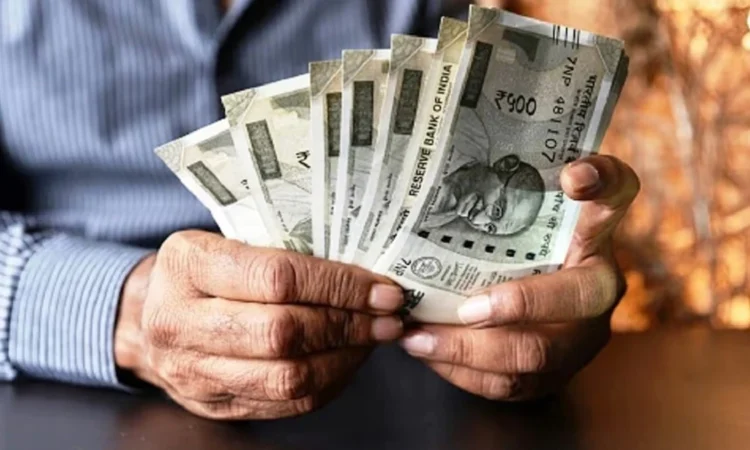
In a sharply worded post on X (formerly Twitter), chartered accountant and financial educator CA Nitin Kaushik pushed back against the panic surrounding the rupee’s recent slide toward ₹90 against the US dollar, arguing that the currency didn’t “collapse” — it “told us a truth we kept avoiding.”
Kaushik wrote that every time the rupee dips — “₹87, ₹88 or ₹90” — public sentiment quickly swings to crisis mode. But this week’s movement, he said, felt different. “It wasn’t panic… it was a mirror. A mirror showing the economic reality we kept pushing under the carpet.”
According to Kaushik, India’s strong inflows, buoyant markets and record GST collections over the years have masked deeper structural gaps. The rupee’s fall, he argued, isn’t about a single bad event but a reflection of what has been built — or ignored — over many years.
As the currency slipped closer to ₹90, Kaushik said three things happened at once:
- Exporters quietly benefited, getting breathing room on margins.
- Global investors saw India as slightly ‘cheaper’, similar to a stock correcting 4%.
- Policymakers were forced into confronting long-delayed structural issues.
“Every move of the rupee has a story,” he said. “And this one had emotions attached — fear, relief, frustration, and honestly… a sense of exposure.”
The Hidden Cost: Imported Inflation
Kaushik warned that the real impact of a weaker rupee isn’t visible on financial charts — it shows up in every day life.
“It arrives quietly,” he wrote, listing items that will get costlier as imported inflation rises: groceries, electronics, cosmetics, even phone chargers. Because the moment the rupee falls, the price of anything linked to global supply chains begins to climb.
Corporate India, he noted, gets hit even harder. Companies holding dollar-denominated loans see borrowing costs jump instantly. Exporters who initially benefit from the currency slide lose those gains when they have to pay more for imported inputs.
“Currency moves are not profit-making events — they expose weaknesses,” Kaushik cautioned.
Jolt to investor psychology
Beyond costs and corporate balance sheets, Kaushik highlighted a more subtle but serious consequence: the blow to investor confidence.
A sharp currency dip sends a message to global investors that “something underneath isn’t as stable as you thought.” That triggers a chain reaction — FPI flows slow down, trade deficit numbers get re-scrutinised, and every RBI move is viewed under a microscope. “When the RBI steps aside even for a day,” he wrote, “the market understands: ‘You’re on your own.’”
That single feeling, he stressed, “can move billions.”
Kaushik ended on a cautiously optimistic note. The rupee hasn’t crashed, he said — it has reminded India that economies cannot run on “vibes.” Sustainable stability comes from real productivity, competitive industries and balanced trade.
“If the slip toward ₹90 helps us acknowledge what we kept ignoring, then maybe… just maybe… it’s the reset we needed,” Kaushik wrote. “Because currencies don’t lie. They only reveal.”