
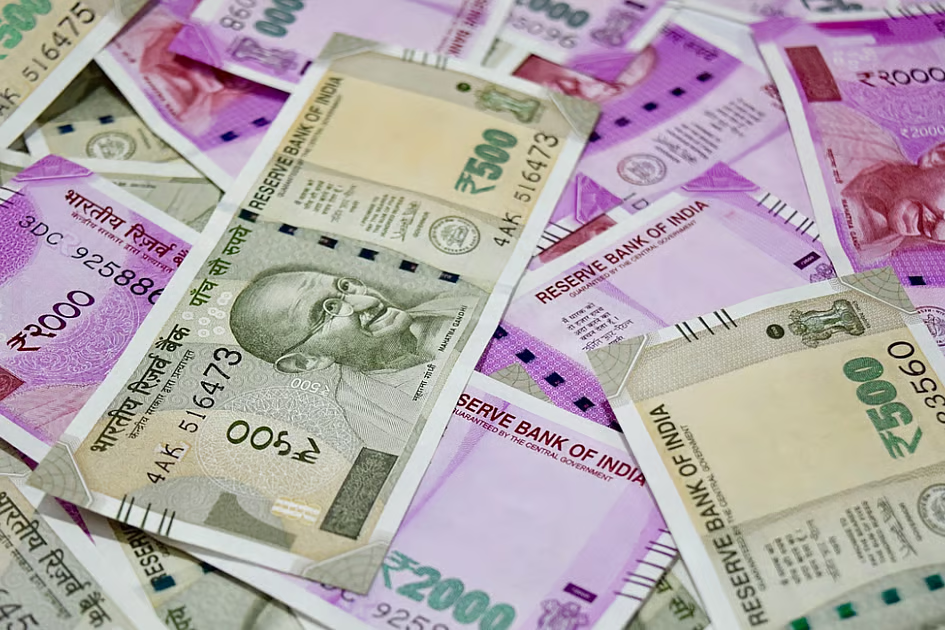
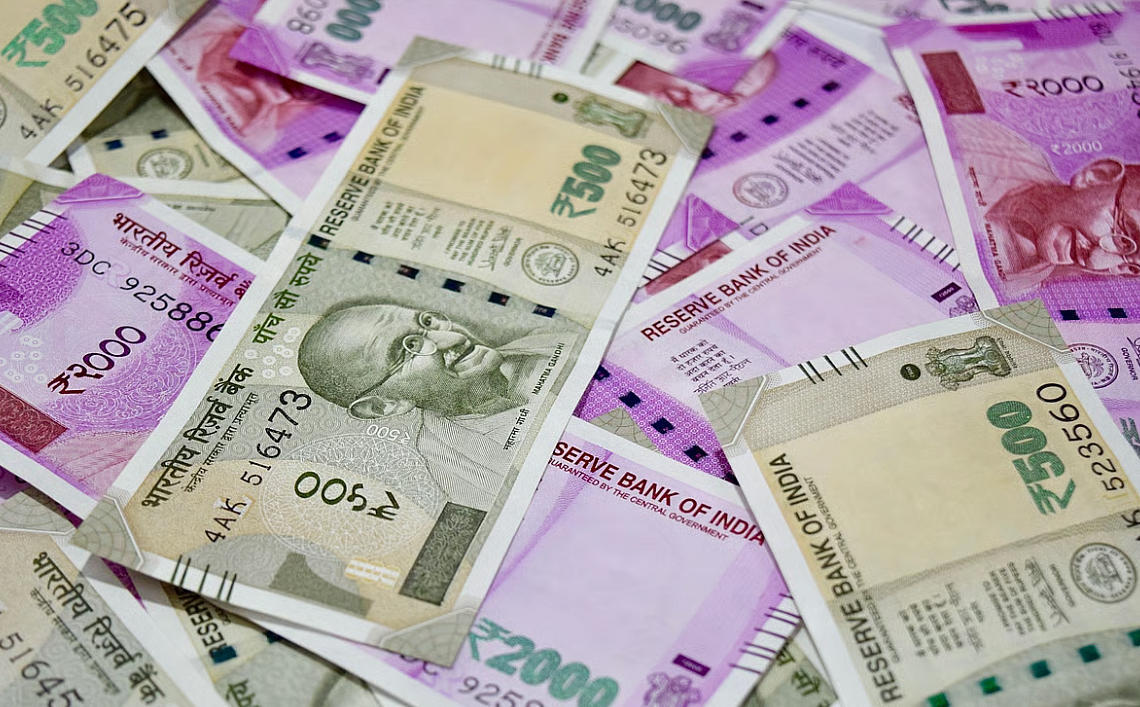
Question: Is the Indian rupee gaining ground in international trade? I am told that global credit rating agencies have given a thumbs up for India’s economy which will boost confidence in the Indian Rupee.
ANSWER: According to the Reserve Bank of India, the internationalisation of the Indian rupee has commenced with more and more Indian exporters invoicing in the local currency and this is likely to see a surge in the coming years. However, it would take time for importers and exporters to change their mind-set and invoicing practices. Indian businesses will face less risk if global transactions are conducted in rupees. Analysts believe that a more stable global financial system will emerge when multiple currencies play a decisive role. The use of the Indian currency has got a boost as a result of well-known credit rating agencies upgrading India. Recently, Japan’s largest rating agency stated that the country’s robust economic growth, fiscal discipline and external stability justifies the upgrade of its sovereign rating to BBB+.
The agency acknowledged India’s progress in reducing the fiscal deficit as a result of increase in tax revenues. It praised India’s enhanced external stability, citing a modest current account deficit, surpluses in service revenues and remittances, and low external debt to GDP ratio. Substantial increase in foreign exchange reserves and macro-economic stability have been cited as reasons for the positive outlook. The agency expects India’s growth to remain high in the mid-6% range supported by factors such as population growth and high public investment. The agency report concludes that India is one of the most dynamic and resilient major economies in the world.
Question: There are several finance companies in India which offer to consumers buy-now-pay-later schemes. Is this legal and, if so, are there any regulations in this regard?
ANSWER: A buy-now-pay-later (BNPL) company can operate a payment system only after it is registered with the Reserve Bank of India and obtained a licence from it. This is mandatory under the Payment and Settlement Systems Act, 2007. The Reserve Bank seeks to control the fast growing digital credit mode of doing business. The message is clear; whether card based or otherwise, all digital payment systems are to be regulated.
BNPL schemes have proliferated in recent years under which consumers are provided with instant credit lines and merchants are able to make sales for which they are paid by the BNPL company. Since this tantamounts to unsecured lending, the regulator is exercising effective controls. In 2022, the RBI stopped BNPL companies from topping up prepaid payment instruments with borrowed funds. Typically, BNPL companies earn income by charging fees to merchants and through late payment charges which are flat amounts and not in the nature of interest.

Question: One Time Passwords are commonly used in India for card transactions. Are steps being taken to move to a more efficient system which will reduce delays and avoid delivery failures?
ANSWER: Since 2022 merchants have been encouraged to store tokens instead of card data which has improved transaction success rates. This alternative to One Time Passwords for authentication is expected to make the payments system more effective. The Reserve Bank’s new framework allows inter-operable alternatives opening space for faster and more secure authentication methods. It eliminates passwords and OTPs by enabling biometric and cryptographic verification. Consumers can therefore authenticate payments across devices using fingerprints or facial recognition. While OTPs will not disappear over the next few years, there will be a gradual shift towards seamless and secure identity based authentication.
Thus, the regulator’s approach ensures inclusiveness and flexibility because it does not prescribe just one method but allows consumers to choose the method which suits them best. Banks are moving towards additional checks like device data or transaction history to strengthen risk management while maintaining ease of use. Tokenization has improved security, reduced fraud risks, and enhanced consumer confidence. It is expected that in future AI agents will conduct transactions autonomously as India’s regulatory and infrastructure framework has created a payments ecosystem that is both innovative and secure. India is setting global benchmarks in digital payments.
The writer is a practising lawyer, specialising in corporate and fiscal laws of India.


