
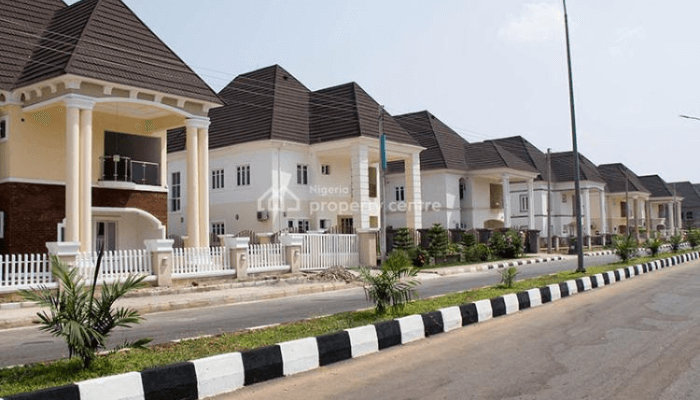
From the projections made so far by investment analysts, it is safe to say that the outlook for real estate this year is not only bright but also promising, though some close market watchers urge caution.
The analysts bet on real estate prices sustaining the growth trajectory recorded in the previous year, recalling that between 2024 and 2025, demand surged due to rapid population growth, housing shortages, naira depreciation, rising construction costs, and growing investor preference for real assets as inflation hedges.
They don’t see these factors changing any time soon because, according to them, the pressures are intensifying incrementally, giving investors who have been sitting on the fence assurances that now is the time to invest, especially in rental properties.
Read also: Property market in Lagos seen creating new opportunities for investors
In its latest report titled ‘Nigeria Real Estate Price Forecast 2026: What Investors Should Know,’ Thinkmintsocial, a marketing and consulting firm, notes that Nigeria’s real estate market is entering a defining phase of growth.
“With accelerating urbanisation, rising construction costs, expanding infrastructure, and evolving policies, 2026 is shaping up to be one of the most strategic years for property investment,” the report says.
The firm, which specializes in helping businesses and organizations with strategic issues and sales transactions, advises that “whether you’re a first-time buyer, experienced investor, or part of the diaspora, understanding where prices are heading — and why — is key to making profitable decisions.”
Imelda Olaoye, founder/CEO of the company, hopes that, with Nigeria’s population projected to exceed 230 million this year and urban migration accelerating, housing demand is expected to continue outpacing supply, driving prices upward across major cities.
She listed key drivers of the price growth as economic conditions, population and urbanization, infrastructure and policy.
“Persistent inflation and currency volatility are driving capital into real estate as a store of value, sustaining strong price growth,” she explained, adding, “over 60 percent of Nigerians are under 25, with millions moving into cities annually, fueling housing demand in Lagos, Abuja, Ibadan, Port Harcourt, and emerging hubs.”
Read also: Realtor warns investors against unlisted property purchase
Olaoye noted that investments in roads, rail, ports, airports, land digitisation, and housing finance reforms are opening new growth corridors and expanding viable investment zones.
She predicted price growth in some cities of the country, noting that Lagos remains the market leader. High-growth zones in this city, according to her, include Lekki-Epe, Ibeju-Lekki, Epe, Ikorodu, Yaba, and Surulere, projecting 15–30 percent growth in prime areas by the end of the year.
“Abuja continues attracting residential and institutional capital. Growth areas such as Lugbe, Kuje, Apo, Gwarimpa, and Karshi are projected to see 10–20 percent annual appreciation.
Emerging cities like Ibadan, Ogun State, Asaba, Uyo, and Port Harcourt offer strong early-stage growth and high return on investment opportunities,” she said.


