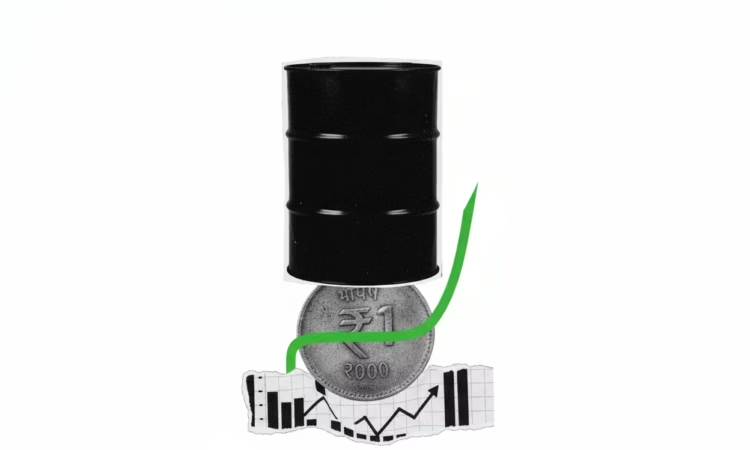
p. India’s central bank has leaned against big currency swings, helping the rupee rebound from record lows beyond 95 per dollar. But with foreign investors net selling close to $20 billion of Indian stocks and bonds across March and April so far, higher oil and weaker inflows still point to depreciation pressure.
Why should I care?
For markets: Oil is back in control.
Costlier crude can widen India’s current account deficit and keep inflation expectations high – both negatives for a currency. It can also delay rate cuts, which is why yields can jump even when growth worries are rising. If energy stays elevated, fuel- and input-heavy sectors may face margin pressure, while exporters can look more resilient with a weaker rupee.
The bigger picture: Geopolitics can move money fast.
When conflict risk rises, investors often prioritize liquidity and safety, which tends to support the US dollar and weigh on emerging-market currencies. That matters because oil is priced in dollars: a stronger greenback can amplify the hit from higher crude for importers. Until tensions cool, currencies like the rupee may trade more on headlines than domestic fundamentals.