tary Authority of Singapore (MAS), which manages policy via the exchange rate: a Reuters poll expects tightening, and OCBC said that could mean a steeper upward slope of its currency band to curb imported inflation – even if that leans against softer growth.
Why should I care?
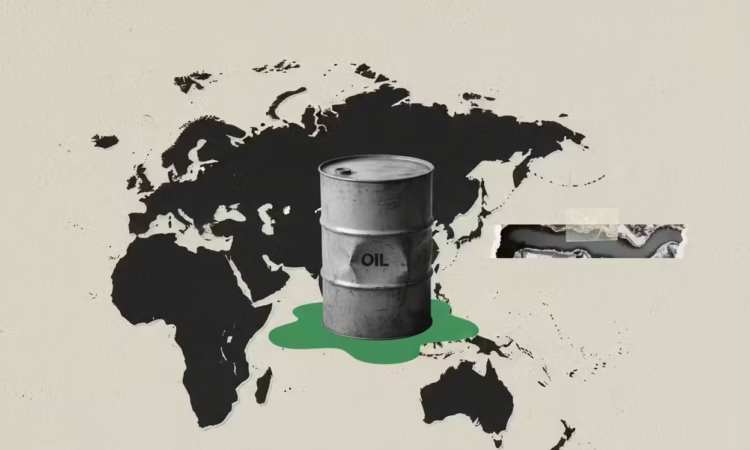
For markets: Oil is back as an Asia risk factor.
When crude sits above $100, it can squeeze margins, lift consumer prices, and keep interest rates higher for longer – a rough setup for stocks and local bonds. Energy importers’ currencies can also face “defend the FX” pressure, raising the odds of tighter financial conditions. The flip side is that some firms benefit, since energy and petrochemical names can get a tailwind when pricing resets higher.
The bigger picture: Geopolitics is turning into inflation math.
The Asian Development Bank warned that Middle East tensions could slow Asia-Pacific growth while pushing inflation higher – a combo that limits central banks’ room to support demand. Singapore stands out because its tool is the currency, not a policy rate, so any MAS tightening can ripple through regional FX expectations. It’s another reminder that supply shocks – not just domestic demand – can drive the next chapter of inflation.