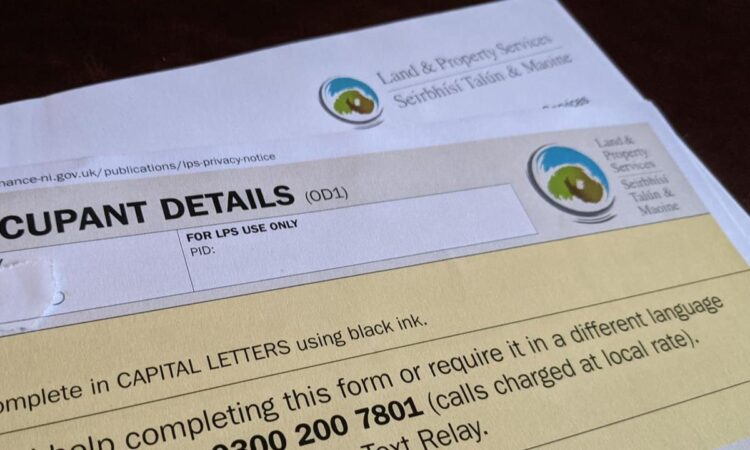
Property owners in Fermanagh, Tyrone and across Northern Ireland have received their domestic rates bills in recent weeks, with increases reported across the board.
This follows decisions by all local councils to increase district rates this year, with Fermanagh and Omagh approving the lowest increase of 1.96 per cent.
Residents in the nearby Mid Ulster District have seen a sharper increase of 3.40 per cent, while those living in Derry City and Strabane, which includes some areas of West Tyrone, have seen increases of 4.48 per cent.
In Fermanagh and Omagh, the agreed rates rise of 1.96 per cent means an average household will pay an extra £10 in the coming financial year.
The council said the rise – working out at just under 20p per week extra – is “a below inflation and lower than last year” increase.
The rise of 3.40 per cent in Mid Ulster District Council means average household ratepayers will pay 34p more per week – an extra £17 pounds per year.
According to the Department of Finance (DoF), money raised through rate collection helps pay for essential public services, including health, education and infrastructure, as well as council services such as waste collection, leisure centres, local economic projects and tourism.
In addition to the amount and date the payment is due, ratepayers can expect to see the following included on their rate bill; the calculation of your rates for the year details of any rate relief awarded any arrears carried forward.
There are approximately 860,000 rateable domestic properties and around 75,000 non-domestic properties in Northern Ireland.
The average household rate bill in Northern Ireland in 2025-26 was £1,239.
Comparisons with average Council Tax bills in England, Scotland and Wales are not straightforward because the two systems are very different.
However, most households here pay less in rates in terms of average per dwelling than equivalent households in other parts of the UK pay in Council Tax.