
Updated April 24, 2026, 4:13 p.m. ET
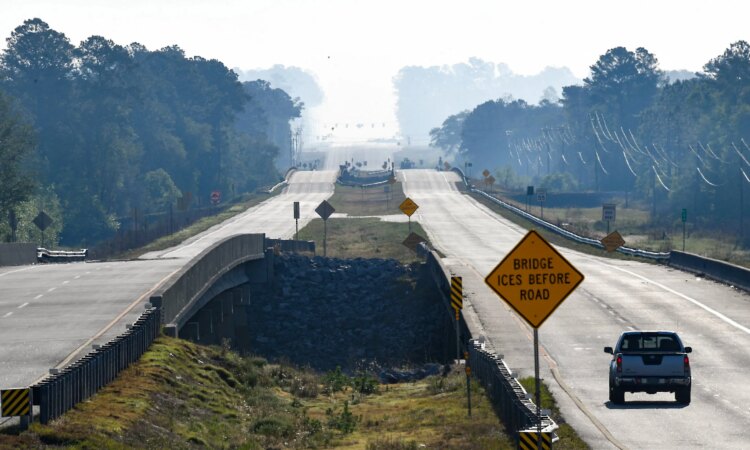
Wildfires burning in Georgia and Florida have destroyed homes, threatened more residences, forced evacuations and closed roads as thousands of acres continue to burn on April 24.
Two large wildfires burning in drought-stricken southeast Georgia have destroyed more than 120 homes and are threatening nearly 1,000 more, Gov. Brian Kemp said Friday, the Associated Press reported.
Kemp told reporters after touring the fire area that state officials believe the wildfires have burned more homes than any other in Georgia’s history, the AP said.
At least 20 large fires are uncontained across the Southern states, the busiest area for fires in the country right now, according to the National Interagency Fire Center in an April 23 update. On April 22 alone, 90 new wildfires were reported in the South.
Firefighters in Georgia are working to contain two major blazes while battling smaller fires that continue cropping up. On April 23, dozens of new fires sprang up. The largest fire in the state, the Pineland Road Fire in Clinch County had burned over 31,000 acres and was 10% contained, according to the Georgia Forestry Commission. The Highway 82 Fire in Brantley County had burned about 5,000 acres and was 15% contained.
“This is still a dynamic fire event,” Joey Cason, Brantley County manager, said the morning of April 24. “If you receive a mandatory evacuation notice, we need to evacuate just as quickly as possible. … That containment can move from 15% to 0% in a matter of minutes with the wind.”
Georgia has been forced to implement its first-ever burn bans. Gov. Kemp on April 24 said Georgia’s National Guard will assist with fire response, with Black Hawk helicopters being deployed.
In Florida, at least 134 wildfires were actively burning nearly 26,000 acres on April 24, reported the Tallahassee Democrat, part of the USA TODAY Network. A road in Levy County was closed and smoke from fires was affecting visibility in several counties, the outlet reported. The Cow Creek Fire in Levy County was burning more than 1,600 acres and threatening over 1,200 homes.

Homes destroyed in Georgia
At least 90 homes have been lost in the Highway 82 fire in Brantley County, Georgia, authorities said on April 23. At least 700 more were being threatened as firefighters worked to contain the fire.
Structures at risk include homes and outbuildings, commercial infrastructure, railroad lines, hunting camps and bee operations, the Georgia Forestry Commission said. Highway 82 and Highway 110 were both shut down near the fire.
Fire activity increased throughout the afternoon and into the night on April 23, officials in Brantley County said.

A mandatory curfew is in place in the county’s affected areas from 8:30 p.m. to 6:30 a.m. and new evacuations were ordered on April 24.
“Protection of life is the priority while we continue to work to preserve property,” the Brantley County Sheriff’s Office, the Georgia Forestry Commission and the Southern Area Incident Management Team said in a joint statement on April 24.
Forecasters say drought and heat are fueling fire
Drought conditions in the Southeast show no signs of improving soon, spelling prolonged conditions that could make it difficult for firefighters to contain active blazes or help new ones spring up, AccuWeather reported.
Summer thunderstorm activity should eventually help, but AccuWeather reported there is no significant rain forecast through the end of the month. A few showers may fall, but the region needs widespread rainfall to make a dent in fires.
Smoke from the fires is also traveling hundreds of miles and affecting air quality, AccuWeather said. It could also cause cooler daytime temperatures where smoke spreads. The Greenville News, part of the USA TODAY Network, reported that the northwestern part of the state was under air quality alerts on April 24 from wildfire smoke spreading from Georgia and Florida.
“This is a dangerous and volatile fire weather pattern across the Southeast, fueled by ongoing drought, intense heat and extremely low humidity,” said AccuWeather Senior Meteorologist Tyler Roys.


