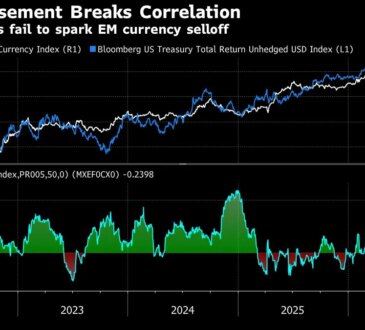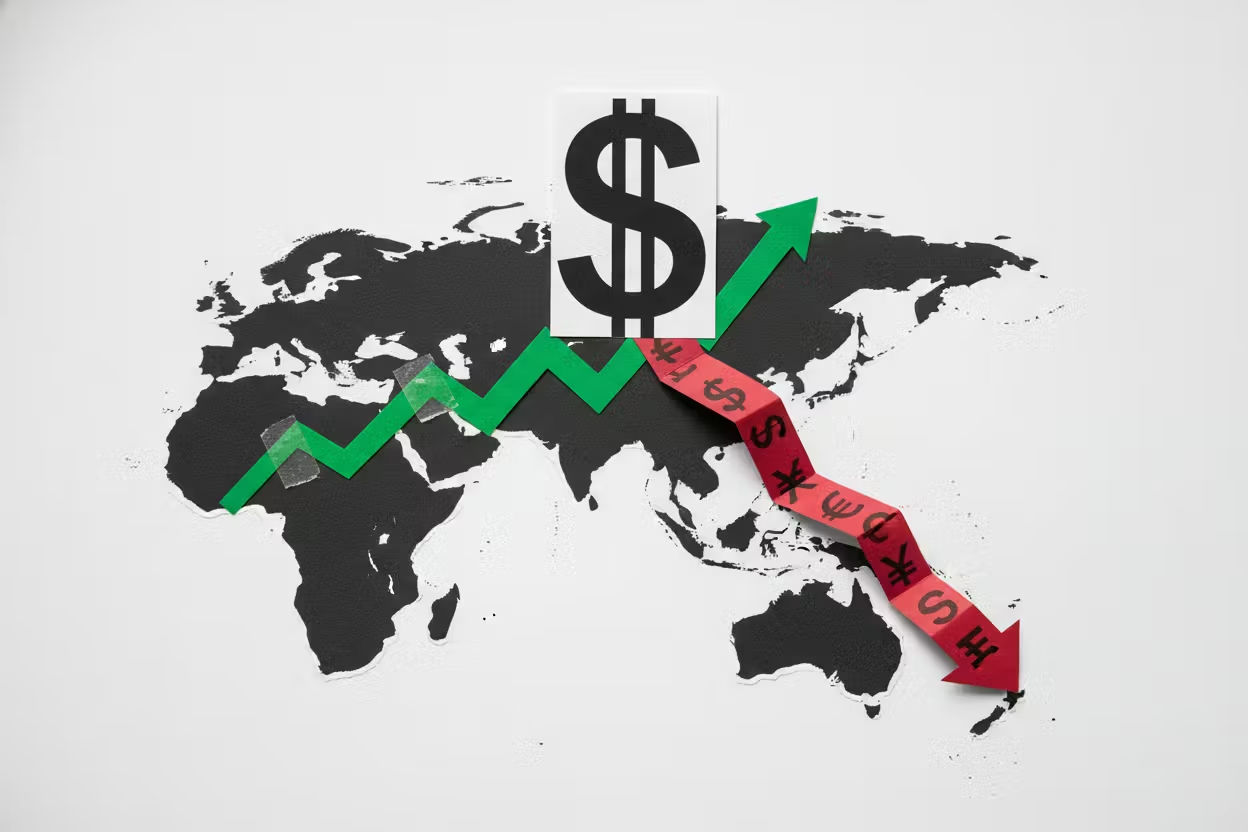
el since late March even after the central bank raised its policy rate to 4.50% and hinted at more increases. Elsewhere, Indonesia’s rupiah hovered near record lows and Malaysia’s ringgit and Thailand’s baht also touched multi-week lows, suggesting the pressure is regional, not just a one-off.
Why should I care?
For markets: Stocks are pricing growth while currencies are pricing risk.
Tech-heavy markets in North Asia have looked sturdier – South Korea’s KOSPI briefly hit a record and Taiwan stayed near highs – helped by artificial intelligence optimism. But parts of Southeast Asia have been shakier, with weaker currency moves and softer equity performance in places like Indonesia and Thailand. The gap is a reminder that stock rallies can coexist with currency stress when oil sensitivity and US interest rates are the dominant forces.
The bigger picture: Oil and the dollar can overpower local rate hikes.
When energy risks rise, emerging economies can get hit twice – bigger import bills and a stronger dollar that pulls capital toward US assets. That’s why a rate increase doesn’t always stabilize a currency quickly, especially if investors think the Federal Reserve will keep rates higher for longer. If oil stays expensive, governments may also face tougher budget trade-offs, and rating agencies will be watching whether deficits widen as policymakers try to cushion households and businesses.