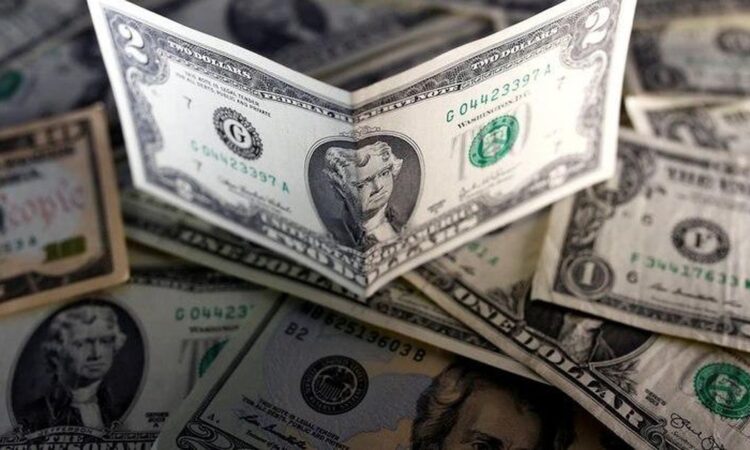
Many people assume the U.S. dollar is the world’s strongest currency because it dominates global trade and is the most widely used reserve currency. But in terms of face value, several currencies are actually worth more than one U.S. dollar in 2026.
This often surprises people.
When economists say a currency is “stronger” in this case, they are referring to nominal exchange value, simply how much U.S. dollars you need to buy one unit of another currency.
For example, if one Kuwaiti Dinar costs $3.67, that means the dinar is stronger than the dollar by face value.
However, this does not mean Kuwait is richer than the United States or that its citizens automatically enjoy a better standard of living.
Currency value is shaped by exchange rate policy, oil wealth, financial stability, and historical monetary decisions, not just economic size.
Here are some of the currencies beating the dollar in 2026.
The Kuwaiti Dinar remains the world’s most valuable currency, with 1 KWD worth about $3.67.
Its strength is largely backed by Kuwait’s vast oil wealth and strong foreign reserves. The country pegs its currency to a basket of major international currencies rather than the dollar alone, helping maintain stability.

Kuwaiti Dinar
The Bahraini Dinar trades at around $2.65 per unit.
Bahrain keeps its currency stable through a long-standing fixed peg to the U.S. dollar. While oil plays a role, Bahrain has also built strong financial services and tourism sectors.

Bahraini Dinar
One Omani Rial is worth roughly $2.60.
Oman has maintained this high value through strict monetary control and a stable exchange rate policy that has remained largely unchanged for decades.

Omani Rial
The Jordanian Dinar stands at about $1.41.
Unlike Gulf states, Jordan has little oil wealth, but careful reserve management, central bank discipline, and a stable dollar peg have kept its currency strong.

Jordanian Dinar
5. British Pound Sterling (GBP)
The British Pound continues to trade above the dollar at around $1.35.
As one of the world’s oldest and most trusted currencies, the pound benefits from London’s role as a global financial hub and strong monetary policy from the Bank of England.
&format=webp)
British Pound Sterling
The Swiss Franc is worth about $1.27 to $1.28.
Switzerland’s reputation for political neutrality, low inflation, and financial safety makes the franc one of the world’s top safe-haven currencies during uncertain times.

Swiss Franc
The Euro trades at approximately $1.17 in 2026.
Used by 20 European countries, the euro remains the world’s second-most traded currency and has recovered strongly after recent global economic pressures.
&format=webp)
A higher currency value does not automatically mean a stronger economy.
The U.S. economy is still far larger than Kuwait’s, despite the Kuwaiti Dinar being worth more.
Many currencies on this list are strong because governments deliberately keep them that way through currency pegs and reserve management.
Oil-rich nations like Kuwait, Bahrain, and Oman use energy revenues to support stable exchange rates. Meanwhile, countries like Switzerland rely on trust, low inflation, and strong institutions.
Even the British Pound and Euro maintain their value through financial market confidence and central bank credibility.
The key lesson is that face value is not the same as economic power.
Just because one unit of a currency costs more than one U.S. dollar does not mean life is cheaper there or that the country is more powerful economically.
Sometimes, it simply means their central bank chose to structure the currency that way.