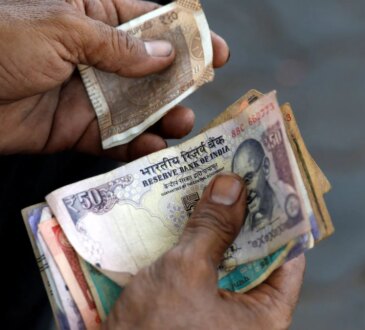
demand for rupees.
Why should I care?
For markets: Currency swings can feed inflation fast.
A weaker rupee makes imported energy more expensive in local terms, which can lift inflation expectations and nudge government bond yields higher as investors demand more compensation. It can also dent US dollar–based returns for overseas investors, making new inflows harder to attract. And India rarely moves alone: other oil-importing currencies can wobble when crude rises and the dollar firms.
The bigger picture: Oil and the dollar are a tough combo.
When energy prices jump at the same time the dollar strengthens, countries that import fuel face a painful trade-off: defend the currency and inflation outlook, or keep policy supportive for growth. If oil stays elevated, central banks may lean on a mix of currency-market support, steps that reduce dollar demand for imports, and potentially higher interest rates – all of which can cool domestic activity.