Goldman Sachs says the S&P 500’s run past 7,100 is ‘froth’ — a previous time Wall Street said that, a crash followed
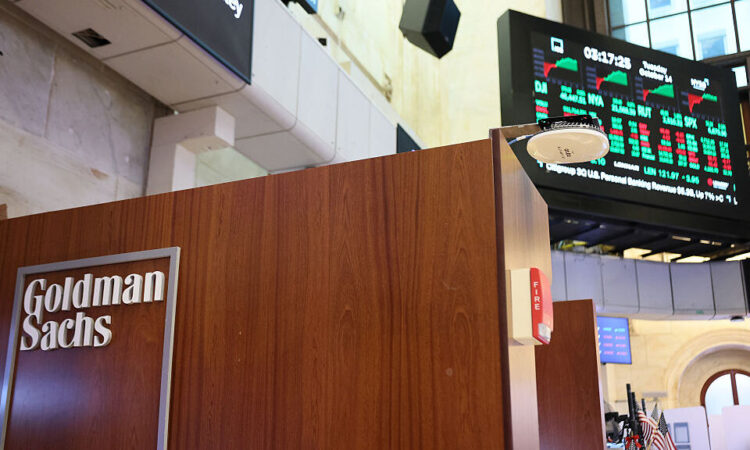
April 2026 saw stocks hit record highs despite widespread global instability. The S&P 500 went over 7,100 for the first time, easing people’s concerns after a turbulent March.
But Goldman Sachs investors suggest that these record highs won’t last long. (1) They attribute stock highs to “froth” rather than a genuine economic recovery.
Must Read
Here’s what it means for the market to be frothy, why investors think the term might apply, and what impact it could have on your wallet.
In a frothy market, price and actual value don’t match
Goldman Sachs investors say they think “the market is set to let off steam in the near-term, excising the froth accrued on the rally to all-time highs.” (1)
“Froth” in a market refers to prices rising very quickly — much faster than the inherent value of whatever’s being priced. (2)
Just like a frothy drink makes your glass look fuller than it actually is, a frothy market makes stocks look more valuable than they actually are. And just like with drinks, that froth tends to disappear — leading to a market crash.
One early use of the term came from former chairman of the Federal Reserve Alan Greenspan, who said there was some “froth” in the 2005 housing market, potentially because of the Fed keeping mortgage rates low. (3) Housing price crashes would go on to be a major aspect of the 2008 Great Recession. (4)
Why we might be facing a frothy market
Froth can appear when investors are operating off of a fear of missing out, acting fast on information that quickly becomes untrue or irrelevant. Part of the reason that the S&P 500 performed well in April was that it looked like the Iran war was easing and the Strait of Hormuz was about to be open, perhaps permanently. (5)
As of right now, the Strait is closed again, and energy prices are even higher than they were before the ceasefire. (6)
Because of the S&P 500’s strong performance, the market is crowded; a lot of the investors who could be buying stocks have already loaded up. Even though some financial organizations remain bullish, there might not be a lot of room left to expand.