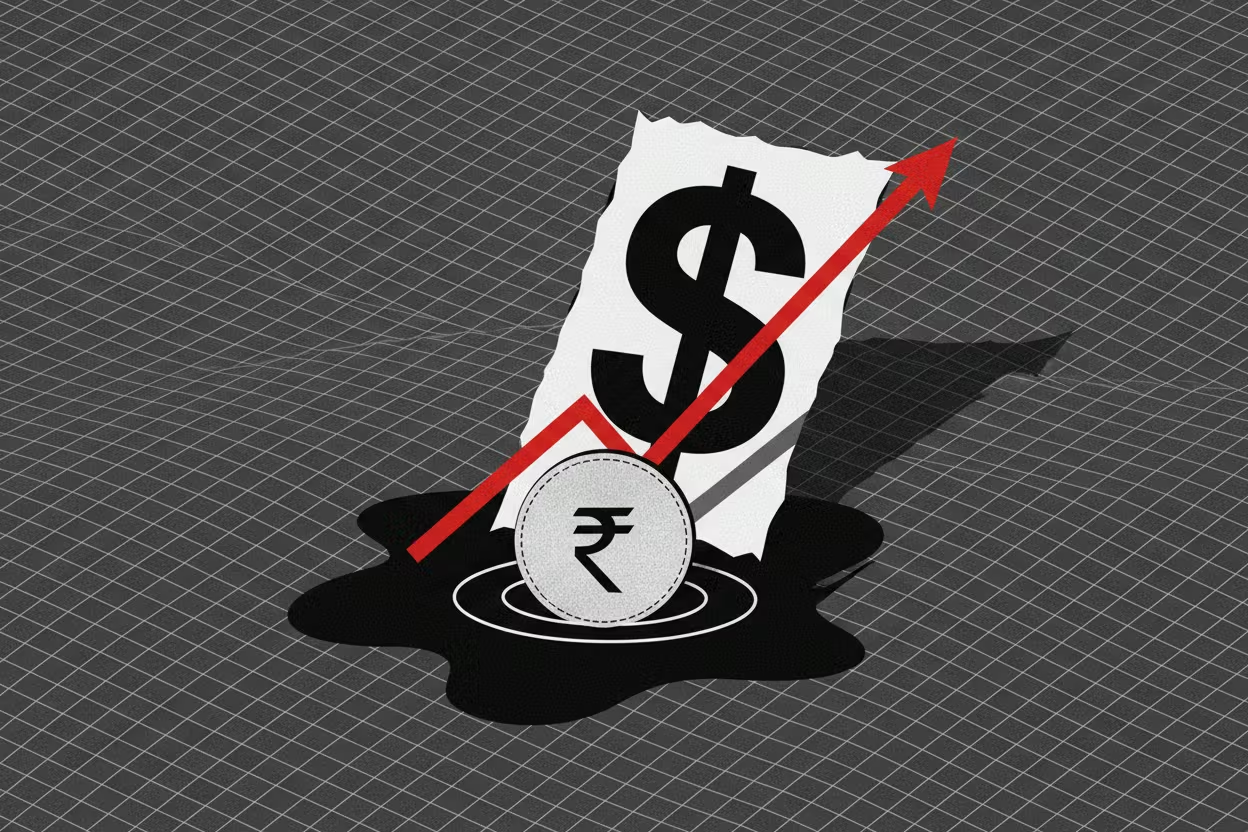
Put it together and you get the classic emerging-markets squeeze: higher energy costs, a tougher funding backdrop, and foreign investors pulling cash from local stocks and bonds. Traders now expect the Reserve Bank of India to lean harder on its usual playbook – selling dollars from its reserves and tightening liquidity – to slow the rupee’s slide.
Why should I care?
For markets: Energy shocks don’t stay in the oil patch.
When oil jumps, investors start favoring countries that export energy and avoiding big importers. For India, a weaker rupee can also feed inflation by raising the local-currency cost of fuel, transport, and some food, which makes it harder for the central bank to cut rates. That mix can pressure bank, airline, and consumer-facing stocks, while supporting exporters that earn more in dollars.
The bigger picture: Currency stress can spread fast.
A falling currency can become self-reinforcing: higher import costs lift inflation, higher inflation keeps rates higher, and higher rates can still fail to lure capital back if global risk appetite is shaky. If the Iran conflict keeps supply fears elevated, more emerging-market currencies could face the same squeeze – especially where energy imports are large and foreign funding is crucial.