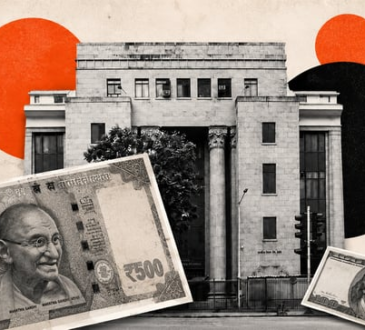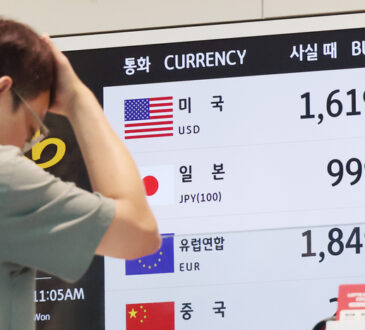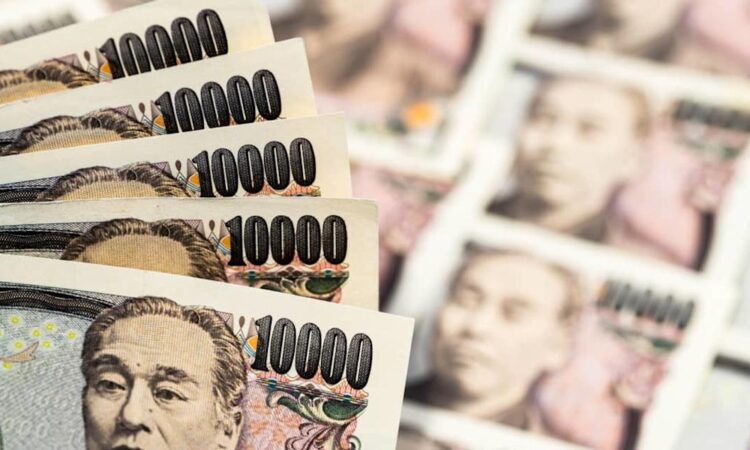

A rare move by Japan to support its currency on Thursday helped rescue the yen from its weakest level in about 40 years — but high oil prices brought on by the Iran war are hindering the chances of a stronger recovery.
The Japanese yen USDJPY this week held a critical line against the U.S. dollar, after Japan’s government and the Bank of Japan reportedly carried out an estimated $35 billion currency intervention for the first time in two years. The yen settled at 157.07 per dollar on Friday afternoon, after surging 2.4% on Thursday for its biggest one-day gain since January 2023.
Most Read from MarketWatch
For the week, the yen strengthened 1.5% against the dollar and logged its best week since Feb. 13, according to Dow Jones Market Data.
The rebound came after the Japanese currency earlier this week weakened to over 160 per dollar — one of its lowest levels in over 40 years, and a critical threshold that appears to have forced Japanese authorities to step in to buy yen while selling the greenback.
“The intervention did its job in terms of defending the 160 level for the yen,” said Eric Wallerstein, chief macro strategist at Clocktower Group. “But it’s like putting a Band-Aid over something that requires a suture,” he noted, as Japan faces two sources of inflationary pressure hitting at the same time: its weaker currency and the Iran war.
The relationship between yen and global oil prices runs both ways. Japan imports roughly 90% of its oil from the Middle East and pays for it in the U.S. dollar DXY, so a weaker yen amplifies the cost of buying oil in local currency. Rising global oil prices also weaken the yen, since Japan needs more dollars to pay its import bills. The dollar’s safe-haven appeal has also deepened the yen’s weakness.
As a result, a stronger yen may require more than a strategically timed currency intervention from the Japanese government. It likely also needs interest-rate hikes and lower oil prices to cooperate, according to market analysts.
Japanese Prime Minister Sanae Takaichi “wants to keep rates low to help her stimulative, fiscally loose agenda,” Wallerstein told MarketWatch. “She’s hoping that market intervention can manage the yen, mitigate inflation and ostensibly also mitigate oil directly, but rate hikes would quite literally fix both of these issues at once,” he said in a phone interview Friday.
Inflation in Japan accelerated for the first time in five months in March, as the Iran war fueled a 60% jump in global crude prices. The Bank of Japan earlier this week held its short-term policy rate steady, with BOJ Governor Kazuo Ueda refraining from providing a clear signal on the timing of the next rate move.