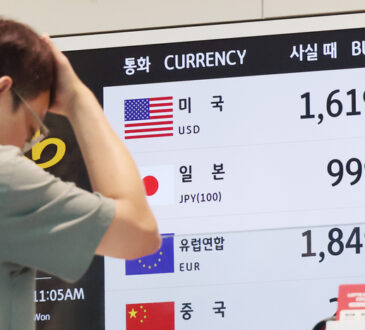
tations of intervention, and that can jolt positioning across Asia’s FX markets.
Why should I care?
For markets: A weaker dollar can boost risk appetite across Asia.
When the dollar falls, it can ease pressure on countries that import energy, service dollar debt, or rely on foreign inflows – supportive for regional equities and credit. But the move isn’t uniform: markets will reward economies with credible inflation control and steady policy signals, while punishing those that still need to defend their currencies. The yen is the swing factor – if it jumps too quickly, intervention worries can spill into broader FX volatility and hit “risk-on” trades.
The bigger picture: Dollar trends set the stage, central banks write the script.
If a broad dollar downtrend takes hold, Asian policymakers get more room to prioritize growth over currency defense. That said, synchronized FX strength also tightens local financial conditions, so each central bank’s tolerance matters – especially in places with upcoming policy reviews. Japan remains in its own lane: the yen is a key funding and hedging currency, so any shift in Japan’s approach can echo well beyond Tokyo.