By Saqib Iqbal Ahmed
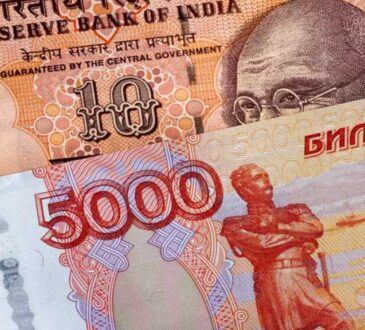
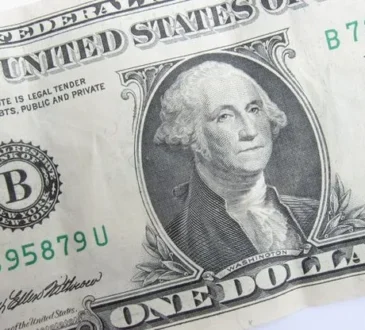
NEW YORK, May 4 (Reuters) – The U.S. dollar rose against the euro as the conflict in the Middle East kept investors skittish and the yen briefly strengthened prompting renewed speculation about intervention by Japanese authorities.
The dollar index, which measures the U.S. currency’s strength against a basket of currencies, was 0.2% higher at 98.404. The index, which has slipped from the highs reached in the immediate aftermath of U.S. strikes on Iran in early March, continues to find support in the absence of a resolution to the Middle East conflict.
Markets remained cautious at the start of the trading week after Iranian news agency Fars reported that two missiles had hit a U.S. warship near Jask on the Gulf of Oman after it ignored Iranian warnings about entering the Strait of Hormuz, prompting it to turn back.
U.S. Central Command denied the reports. The U.S. military said two U.S. Navy guided-missile destroyers had entered the Gulf to break an Iranian blockade and that two U.S. merchant ships had transited the Strait of Hormuz.
“The blockade is what’s keeping everything on hold and as long as everything is on hold the dollar will remain steady,” said Juan Perez, director of trading at Monex USA in Washington.
“However, risk appetite is going to immediately increase the moment there is any type of peace deal. That’s going to hurt the dollar,” Perez said.
The euro was down 0.2% at $1.1694 after German Chancellor Friedrich Merz sought to downplay a rift with Trump after the U.S. announced plans to draw down troops from Germany.
The country’s economy ministry said on Sunday that Berlin is also in touch with the European Commission as it holds talks with Washington, after Trump said on Friday he would increase tariffs on cars and trucks from the EU to 25%.
“In the grand scheme of things, it (auto tariffs) is definitely not a positive, but it’s not going to be the main driver,” SEB FX strategist Amanda Sundström said.
“The situation in the Middle East is definitely the dominant factor now. If that reaches some de-escalation or more stable situation, that’s going to be positive for the euro.”
YEN SWINGS
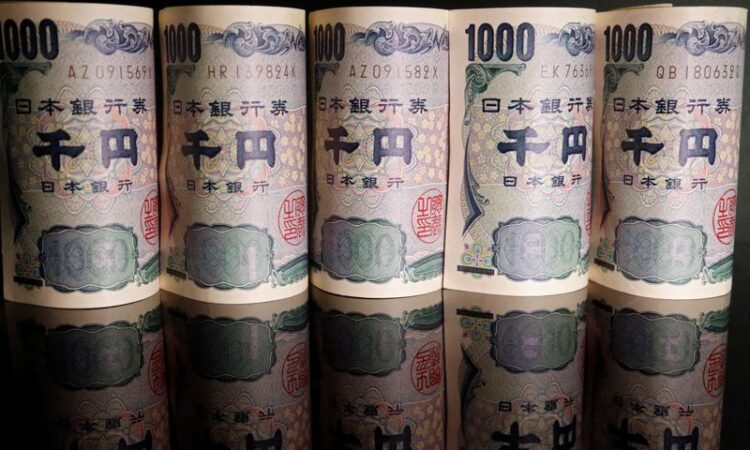
The dollar was 0.06% lower against the yen after the Japanese currency climbed by as much as 0.75% to 155.69 earlier in the session.
Ministry of Finance officials did not immediately respond to requests for comment after the move on Monday, but traders remain on alert for action by authorities following suspected intervention by them last week to bolster the battered currency.