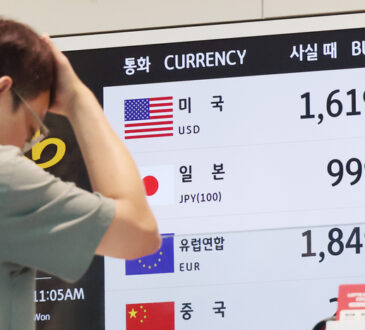
the central bank signaled it would act to steady the currency. Elsewhere, the Philippine peso stayed near record lows as April inflation rose to 7.2%, while Taiwan stocks dipped as the Middle East shock briefly interrupted a chip-led rally.
Why should I care?
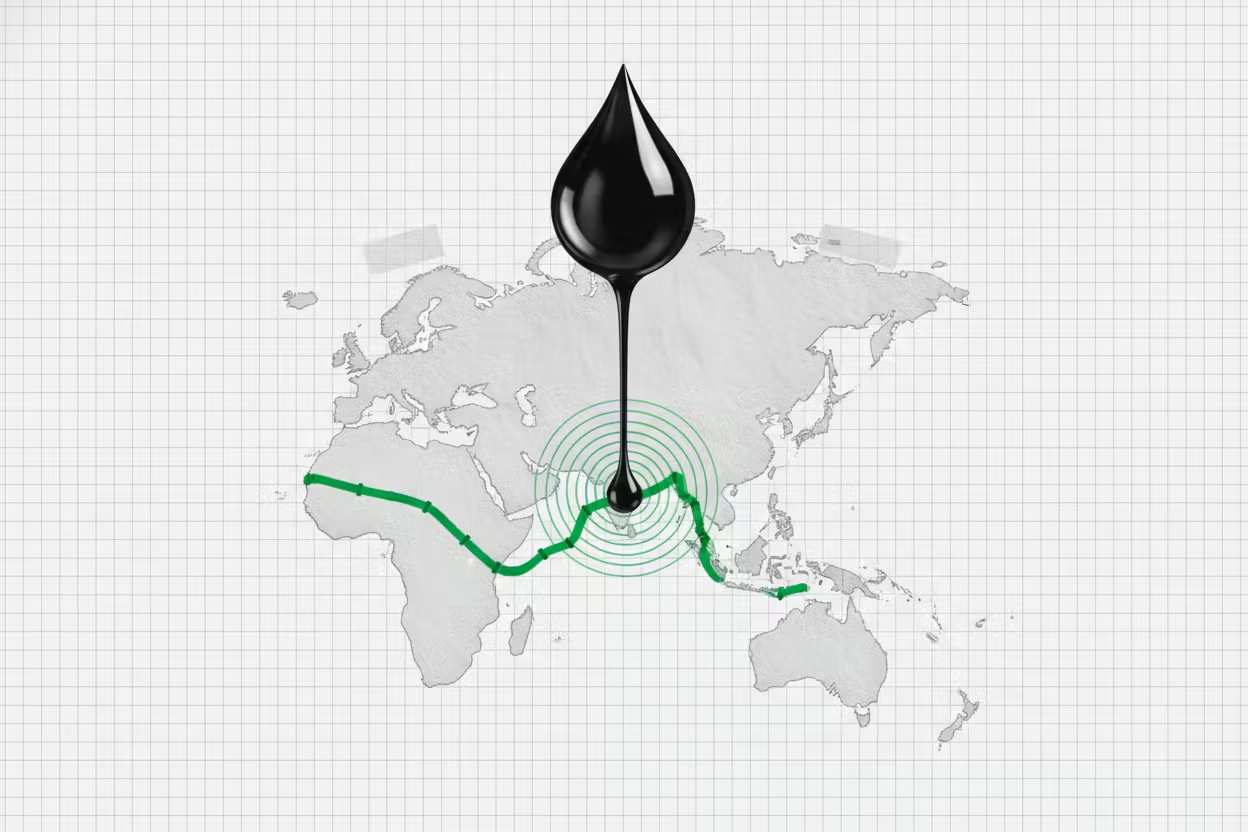
For markets: Oil moves like a shock tax on risk assets.
When crude stays above $110, investors tend to assume slower growth and stickier inflation, which often hurts stocks and bonds tied to oil importers first. That’s why currencies like the rupee, rupiah, and baht can slide quickly – and why central-bank signals matter, since intervention can calm (or spook) markets. Exporters and energy producers typically look more insulated, while sectors that rely on transport and fuel-heavy supply chains can feel the squeeze.
The bigger picture: The inflation fight can flare up again.
Energy shocks don’t stay in oil markets: they feed into shipping, power bills, and food prices, then show up in inflation reports. If high crude prices linger, Asian central banks could face a tough choice between defending their currencies and keeping borrowing costs low enough for growth. And if global investors stay nervous, countries with big external funding needs may find it harder – and more expensive – to finance them.