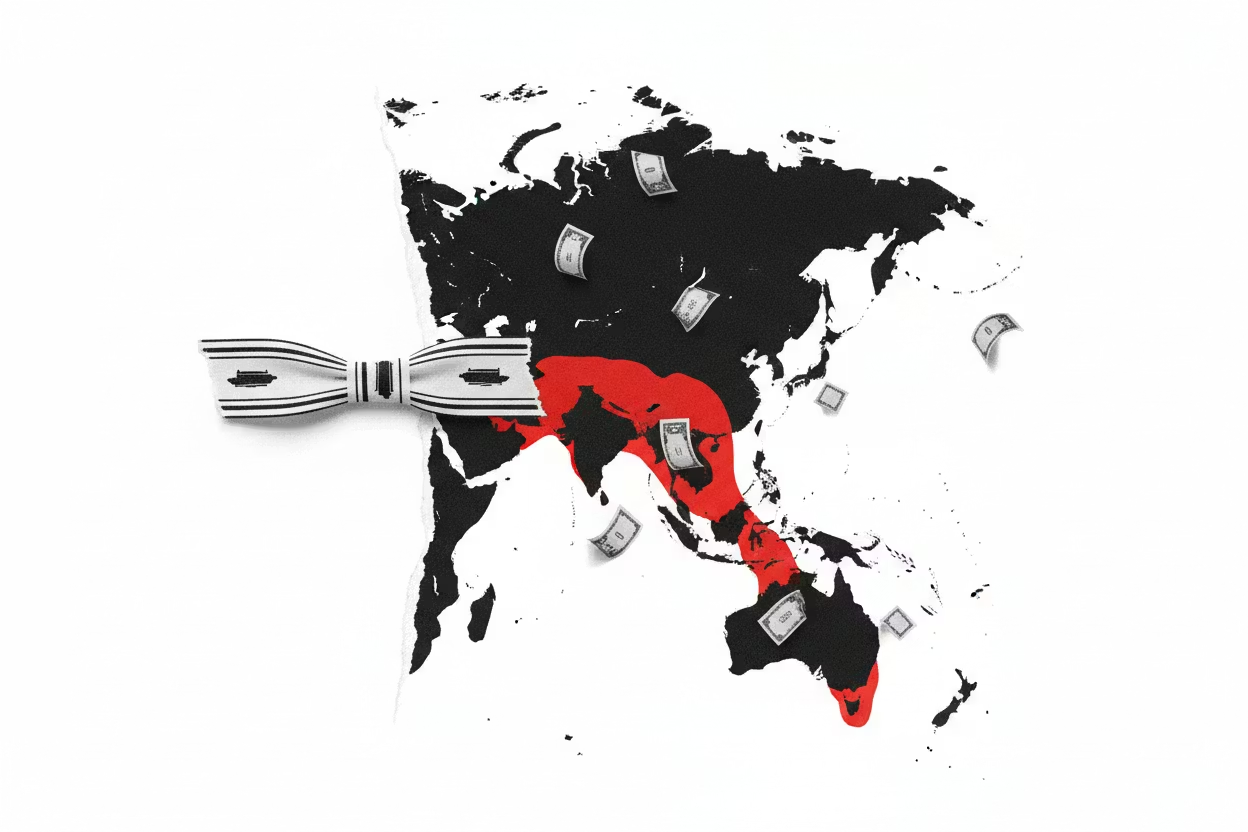
ckly raise energy prices. For many Asian economies that import most of their fuel, pricier crude tends to flow into transport and power bills, then into broader prices. Analysts at DBS, a Singaporean bank, noted that higher energy costs and weaker local currencies can reinforce each other by making imports more expensive, complicating central banks’ inflation fight.
Why should I care?
For markets: Oil is turning into a currency story again.
When oil jumps, investors often reassess countries that rely heavily on imported energy and foreign capital. That’s one reason currencies like Indonesia’s rupiah can come under pressure – and a weaker exchange rate can then add “imported inflation” by pushing up the local price of fuel, food, and other dollar-priced goods. Equity markets can also split: places with heavier inflation risk may face tighter financial conditions, while exporters can sometimes benefit from a cheaper currency, at least until energy costs bite.
For you: Higher fuel costs can show up quickly in everyday prices.
Oil is a key input for commuting, shipping, and electricity generation, so a sustained rise can feed through to higher grocery and delivery bills even if you don’t drive much. It can also squeeze budgets indirectly if companies face higher costs and pull back on hiring or expansion. The Philippines has been one recent example: higher energy bills helped push inflation to a multi-year high and weighed on growth, a combination that can keep policymakers cautious about cutting interest rates.