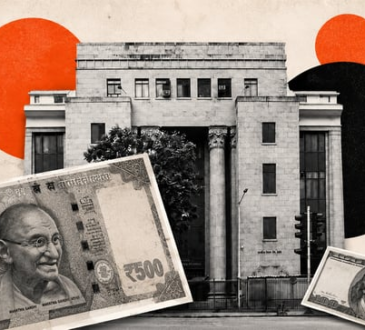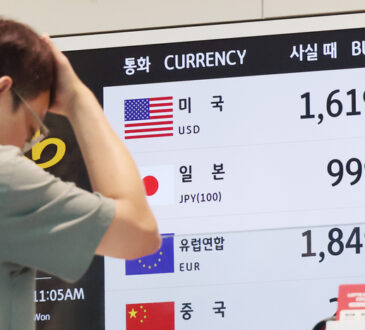
g a record low. Meanwhile, Hungary’s forint strengthened after Viktor Orban’s election defeat, which Goldman Sachs tied to hopes of faster EU fund inflows.
Why should I care?
For markets: Energy shock risk is back in the pricing.
When oil spikes, investors often demand a bigger premium to hold assets tied to energy-importing countries, especially those reliant on foreign funding. That can mean weaker FX, higher bond yields, and softer equity performance in places where inflation worries limit policy support. If crude stays elevated, sectors sensitive to fuel and transport costs tend to feel it first, while energy producers usually get a relative tailwind.
The bigger picture: Central banks are being pushed into harder trade-offs.
Oil-driven inflation can tie policymakers’ hands: cutting rates to support growth risks pushing prices and currencies the wrong way. Singapore’s currency softened ahead of the Monetary Authority of Singapore decision, and South Korea has signaled it would react to “excessive” won weakness – both examples of how FX stability can become a priority. The longer energy costs stay high, the more global disinflation progress looks fragile.