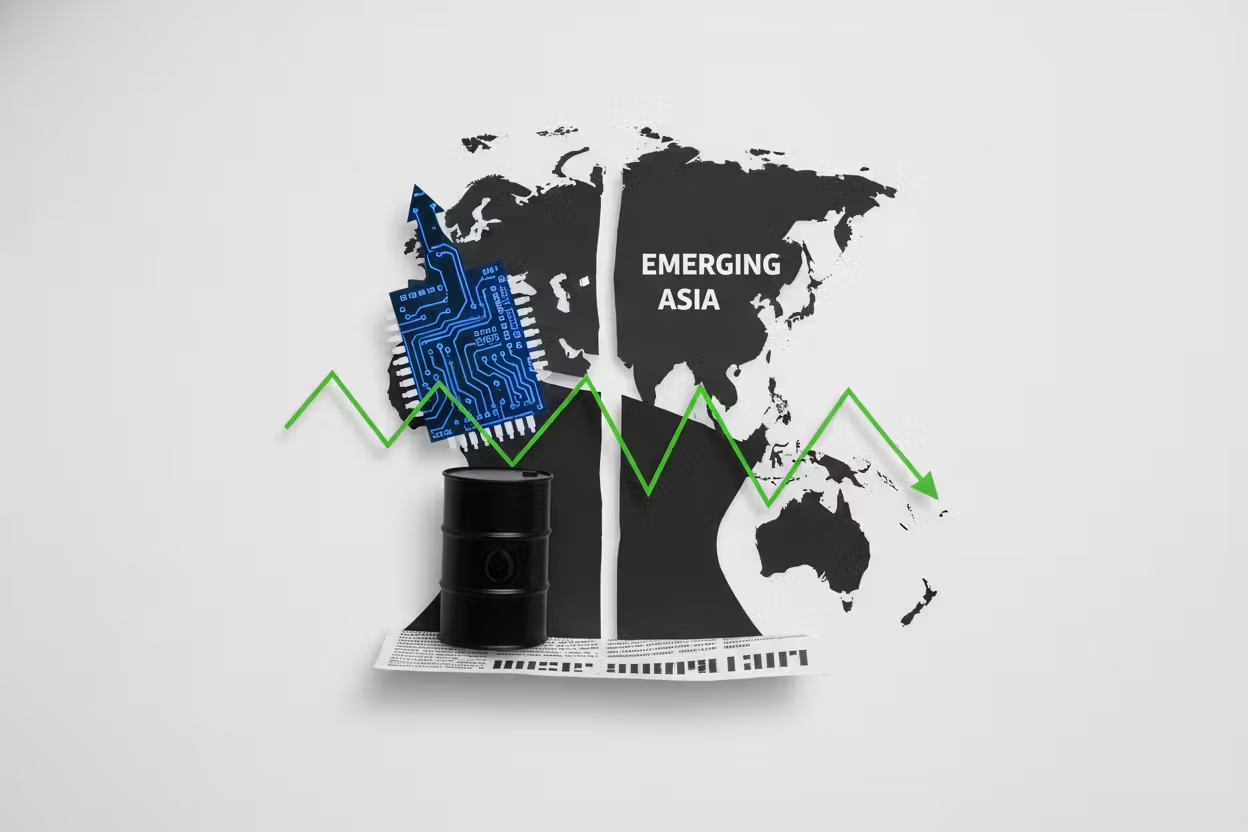
ronics and SK Hynix climbed on continued excitement around artificial intelligence (AI) computing demand, and Taiwan’s benchmark also rose. Elsewhere, the pressure looked more like a “domestic economy” story: Indonesia’s rupiah hovered near a record low around 17,445 per US dollar and Jakarta shares fell, with big local banks among the laggards. That gap is why economists at OCBC, a Singapore-based bank, are watching for central banks in the region to stay restrictive for longer, and in some cases even consider further rate hikes, if currency weakness and energy prices threaten to reignite inflation.
Why should I care?
For markets: One region, two narratives.
When the dollar rises and oil gets more expensive, markets often differentiate between export-driven winners and countries reliant on imported fuel and overseas funding. Chip-heavy North Asian indexes can look strong even while their currencies soften, because global tech demand supports earnings. But in places like Indonesia, a weaker currency can raise inflation risks and complicate policy, which can weigh on domestically focused sectors like banks and consumer firms.
For you: Currency swings can show up in everyday prices.
A weaker currency means imported goods cost more in local terms, and oil is a big import. That combination can filter into fuel prices, shipping costs, and eventually groceries and services. If inflation stays elevated, central banks may keep interest rates high for longer, which can affect borrowing costs for households and small businesses, especially where loans reset at variable rates.