Central Bank calls for closure of unlicensed exchange offices, prosecution of currency speculators
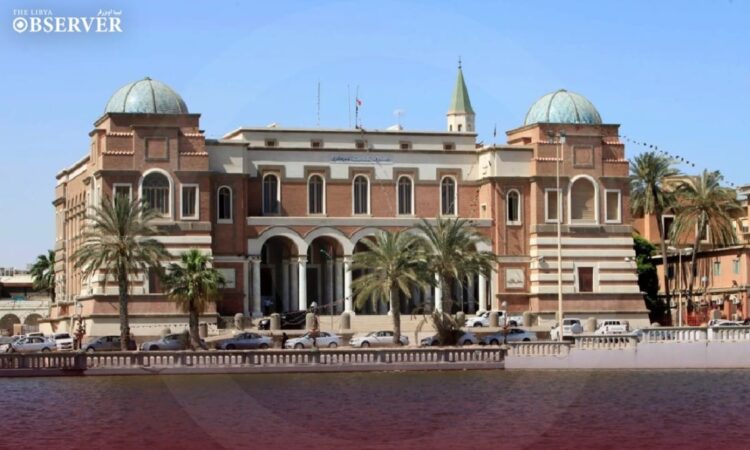
The Governor of the Central Bank of Libya, Naji Issa, has sent official letters to the Minister of Interior, the Head of the Internal Security Agency, the Head of the Criminal Investigation Agency, and the Head of the Municipal Guard, calling for urgent legal measures to shut down all shops, companies, and offices engaged in currency exchange activities without final authorization granted by the bank.
The letters warned of the dangers posed by speculation in foreign currencies and the Libyan dinar on the parallel market, as well as the widespread practice of exchange activities by unlicensed businesses and individuals.
In his correspondence, the governor stated that the bank had monitored these entities carrying out speculative operations and publishing exchange rates on social media platforms, electronic applications, and WhatsApp groups, considering the use of such applications in this field to fall under electronic crimes that must be combated and curbed.
The Central Bank explained that it has already begun regulating the activities of exchange companies and offices by linking them to the bank’s system, stressing that it is providing US dollars and foreign currency in cash to all citizens. It also noted that banking services have been made available through commercial channels, allowing small traders and craftsmen to import goods through official and legal means that ensure the state’s compliance with anti-money laundering and counter-terrorism financing standards.
The Central Bank stressed that the continuation of such activities outside regulatory frameworks has harmed the value of the dinar and the national economy, while also contributing to the circulation of currency outside the banking sector. It called for legal action against anyone trading foreign currencies outside the official sector and demanded the closure of all applications and WhatsApp groups used for such activities.
The Central Bank further urged the relevant authorities to investigate the funds held by these shops and companies and verify the sources of the money in accordance with existing laws, regulations, and anti-money laundering and counter-terrorism financing procedures, stressing that leniency toward this informal activity is no longer logical.