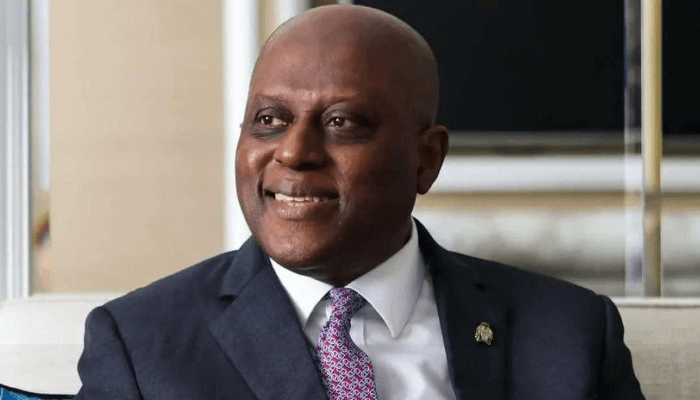
Olayemi Cardoso, governor of the Central Bank of Nigeria (CBN), has said the launch of the revised Foreign Exchange (FX) Manual marks a fresh phase in Nigeria’s ongoing currency market reforms aimed at improving transparency, consistency and investor confidence.
Cardoso disclosed that the 4th Edition of the CBN Foreign Exchange Manual will take effect from June 1, 2026, and will be distributed free of charge to authorised dealers to ensure seamless adoption and compliance across the market.
According to him, the revised manual aligns with international best practices and reflects the apex bank’s commitment to modernising Nigeria’s foreign exchange administration to support greater market efficiency and operational clarity.
“The launch of the 4th Edition of the CBN Foreign Exchange Manual reflects our collective commitment to strengthening Nigeria’s macroeconomic foundations, enhancing transparency, and reinforcing confidence in the foreign exchange market,” Cardoso said.
He noted that the revised framework forms part of broader efforts by the Central Bank to deepen reforms in the country’s FX market and strengthen institutional credibility following a series of policy adjustments introduced over the past two years.
The CBN governor added that the review process involved extensive consultations and rigorous technical engagements with banks, corporates and other market participants to ensure that the revised manual addresses emerging realities in Nigeria’s evolving foreign exchange market.
Stakeholders at the launch commended the apex bank for adopting a consultative approach in revising the FX Manual, describing the process as inclusive and reflective of market realities.
Cardoso urged both public- and private-sector stakeholders to demonstrate professionalism and commitment in implementing the revised guidelines to ensure the reforms achieve their intended objectives.
Analysts say the updated FX Manual could help improve operational standardisation, reduce market ambiguities and support confidence among investors and authorised dealers as the country continues efforts to stabilise the foreign exchange market and attract capital inflows.