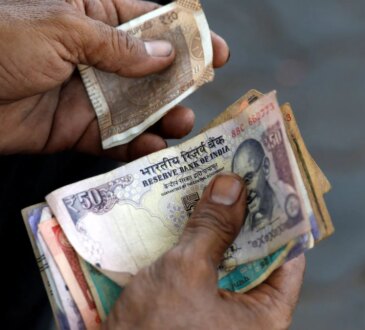
quickly in foreign-exchange markets. India’s rupee touched an all-time low near 96.303 per US dollar, down roughly 5.5% since late February. Indonesia’s rupiah hit a record near 17,665 per US dollar as local jitters added to the pressure, including concerns about fiscal discipline and confidence after MSCI, an index provider, removed some Indonesian stocks from its benchmarks. Bank Indonesia (BI) has stepped into currency markets and has kept its policy rate at 4.75% for seven straight meetings, though Citi expects a hike soon.
Why should I care?
For markets: Higher US yields test emerging-market confidence.
When US government bond yields rise, investors can earn more in dollars without taking much extra risk, so some money leaves emerging markets. That can weaken currencies and force local bond yields higher to keep investors interested – Indonesia’s 10-year yield rose to around 6.765% as the rupiah fell. The strain can spill into stocks, especially where foreign investors matter: Jakarta shares are down more than 25% this year, and outflows often accelerate when currency moves look one-way.
For you: A weaker currency can make everyday costs creep up.
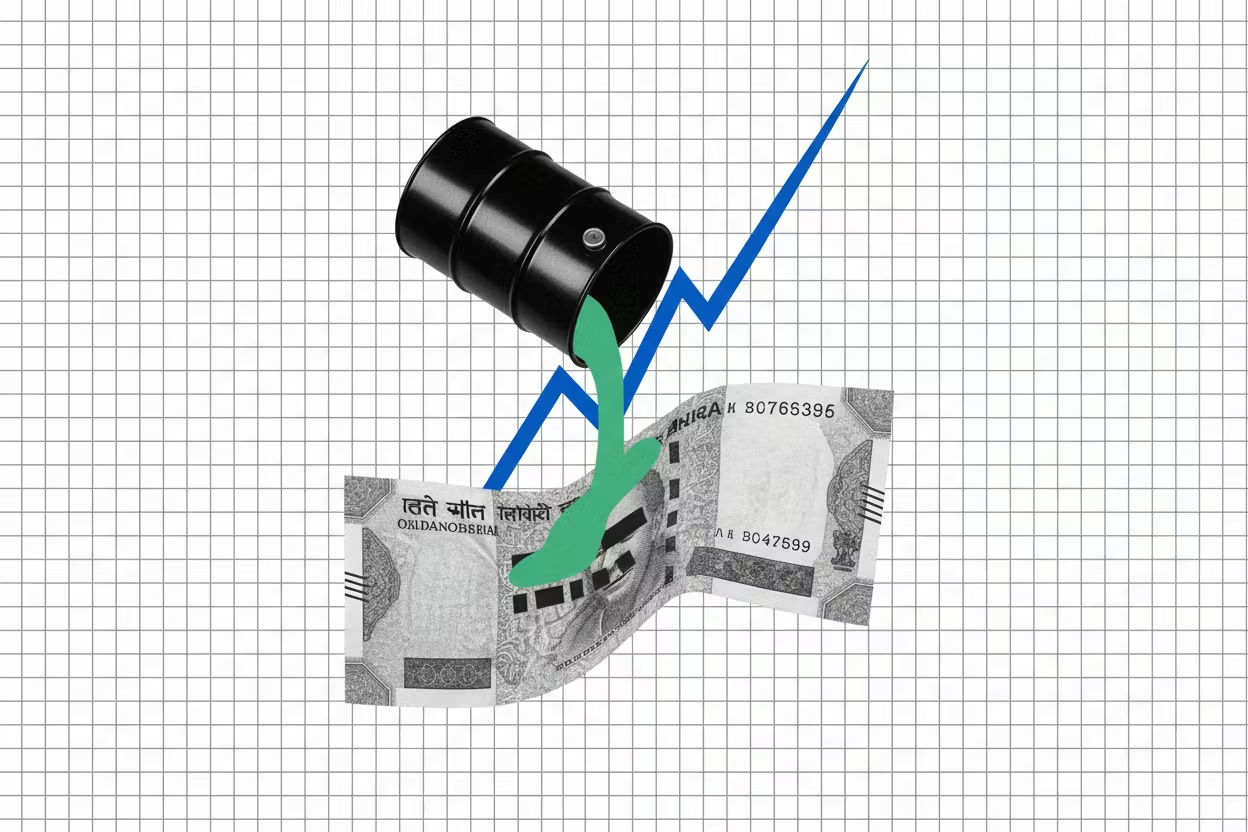
For big oil importers, a softer exchange rate means the same barrel of crude costs more in local currency. Add higher global oil prices and you get the “double hit” MUFG, a Japanese bank, flagged for places like India. That can filter into transport and freight costs, and then into broader prices. If inflation heats up, central banks may keep interest rates higher for longer, which can weigh on loans and mortgages.