
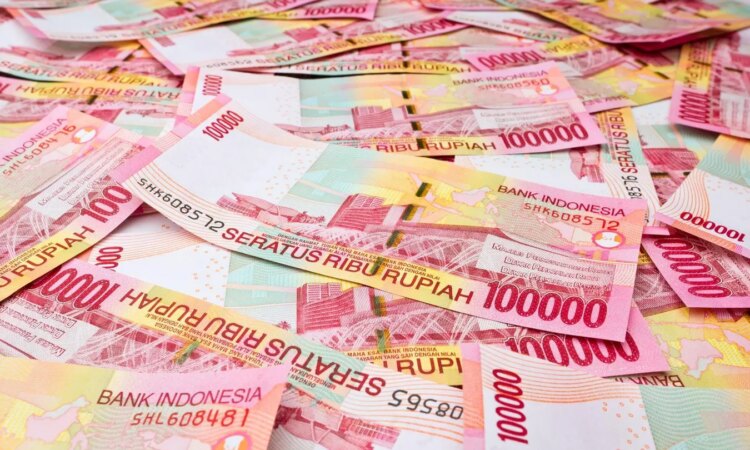
Indonesia hasn’t commanded the global economic spotlight in decades. The collapse of its currency is changing that—placing Jakarta at the center of a turbulent 2026.
It’s not that the rupiah’s 6.2% fall this year to 1998 lows poses a systemic risk to the world economy. It’s that Indonesia’s $1.5 trillion economy is the vanguard of emerging nations in harm’s way as fallout from the Iran war intensifies.
Over in India, the rupee is testing all-time lows. Ditto for the Philippine peso. In Seoul, President Lee Jae Myung is grappling with a split-screen few saw coming. On one, the Kospi stock index is skyrocketing—up 86% year to date. On the other screen, the Korean won is down nearly 5% since January 1. Korea’s stock rally is largely about excitement over artificial intelligence, the “new economy” technology that relies on memory chips made by Samsung Electronics and SK Hynix.
As all this excitement remakes Korea Inc., the “old economy” below it seems less ready for prime time. The capital flows leaving Korea reflect ongoing geopolitical tensions in the Middle East, which are driving safe-haven demand. Investors are seeking higher yields in the U.S. and elsewhere than what they find in most Asian economies.
This dynamic had Bank Indonesia drawing a line in the sand this week. The central bank surprised markets with a larger-than-expected 50-basis-point interest-rate increase to 5.25%. It was BI’s first such move since 2022 and was clearly aimed at putting a floor under the rupiah, which recently hit a roughly 28-year low of around 17,600 against the dollar. It was a sign, too, that BI Governor Perry Warjiyo’s team worries about losing control of the currency.
So far this year, Jakarta has used $10 billion of its foreign exchange reserves to stabilize the rupiah. Over the last week, Indonesia’s Finance Ministry has purchased roughly $113 million of government bonds each day to tame the bond market and limit capital outflows.
The good news is that the pickup in first-quarter growth to a 5.61% year-on-year rate “will make it easier for the economy” to absorb higher short-term rates, notes Sarah Tan, economist at Moody’s Analytics. The bad news, she adds, is that “BI’s intervention in foreign exchange markets to shore up a weakened rupiah has not stabilized the exchange rate, and currency reserves are running low.”
There are indeed valid reasons why the rupiah is falling. They include chronic budget and current account deficits, weak exports, concerns about domestic policy, and the ways in which rising energy costs exacerbate them all. Investors and credit rating companies worry about the heavy spending policies of President Prabowo Subianto’s government and efforts to exert influence over central bank decisions.
Index giant MSCI, meanwhile, is reviewing the operations of Indonesia’s stock market to determine if it warrants a downgrade to “frontier” from “emerging” status. MSCI has concerns about transparency at the bourse. Earlier this month, MSCI announced it’s cutting six companies from its Indonesia index, some of which are linked to the nation’s richest billionaires.
Prabowo did Indonesia no favors by abruptly firing internationally respected Finance Minister Sri Mulyani Indrawati in September 2025. The former World Bank managing director had long been viewed as the key guardrail against a return to fiscal overreach. Now, as the global economy goes awry, Indonesia sure could use that kind of skill and gravitas steering Southeast Asia’s biggest economy.
The thing is, Jakarta can try to assign blame and spin its return to the crisis zone. But exchange rates don’t lie. And Indonesia’s is telling us the place is living dangerously again. Make that the broader Asia region, too.


