Plastic currency notes to be introduced in India soon? RBI governor’s statement sparks buzz; What does it mean?
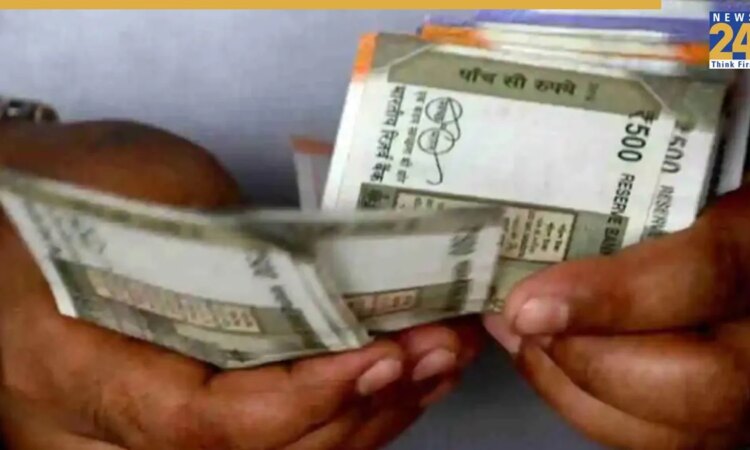
New Delhi: India may soon witness a major change in its currency system, with paper banknotes potentially being replaced by polymer (plastic) notes in the future. Reserve Bank of India (RBI) Governor Sanjay Malhotra has indicated that the central bank is considering the introduction of polymer-based currency notes in the country.
However, the RBI chief clarified that the proposal is still at a preliminary stage and no final decision has been taken yet. The development has sparked curiosity about what polymer notes are and why the RBI is exploring the idea.
What are polymer notes?
Currently, Indian banknotes are printed on a special cotton-based paper. Polymer notes, on the other hand, are made from a durable plastic substrate specially designed for currency production.
Polymer banknotes were first introduced in Australia, and several countries, including Canada, the United Kingdom, New Zealand, and Singapore, have since adopted them.
One of the key advantages of polymer notes is their durability. They are more resistant to water, humidity, dirt, and wear and tear, giving them a significantly longer lifespan than conventional paper currency.
Why is RBI considering polymer currency notes?
India has one of the largest cash circulation systems in the world, with banknotes changing hands frequently and being exposed to varying weather conditions. As a result, notes often become torn, dirty, or damaged and must be withdrawn and replaced.
Polymer notes can last at least twice as long as traditional paper notes and, in some cases, up to five times longer. This could reduce the cost of printing replacement notes and help the RBI save money over the long term.
Better security features against counterfeiting
Another major advantage of polymer banknotes is their advanced security features. These notes can incorporate transparent windows, holograms, color-shifting elements, and other sophisticated anti-counterfeiting technologies.
Counterfeit currency, particularly fake Rs 500 notes, has remained a concern in India over the years. Polymer notes are considered much harder to duplicate, which could help strengthen the country’s fight against fake currency.
RBI had explored polymer notes earlier
The idea of introducing polymer currency in India is not new. The RBI first initiated discussions on polymer banknotes in 2007.
As part of the plan, trial runs of Rs 10 polymer notes were proposed in cities such as Jaipur, Shimla, Bhubaneswar, Mysuru, and Kochi. However, despite studies and preparatory work, the project did not move forward.
In recent years, the RBI has also experimented with varnish-coated notes to improve durability. With fresh comments from the RBI Governor, discussions around polymer banknotes have once again gained momentum.
Will India replace paper notes completely?
At present, there is no official confirmation that India will replace all paper currency with polymer notes. The proposal remains under consideration, and any transition would require extensive testing, policy approvals, and large-scale implementation planning.
For now, the RBI is evaluating the potential benefits of polymer currency, including longer durability, lower replacement costs, and stronger protection against counterfeiting.
Read Also: R Praggnanandhaa creates history becomes first Indian to win Norway Chess title
First published on: Jun 06, 2026 11:19 AM IST
Get Breaking News First and Latest Updates from India and around the world on News24. Follow News24 on Facebook, Twitter.
End of Article
About the Author

Navya Dubey
Navya Dubey is a Sub-Editor at News 24 with two years of experience in journalism. Passionate about storytelling and reporting, she covers a wide range of topics including politics, crime, general news, and breaking stories. She also takes a keen interest in trending and viral content, bringing readers engaging and thought-provoking stories that capture public interest.
Read MoreRelated Story


Source link