
SpaceX Is Set to Start Trading Friday in What Could Be the Biggest IPO in History. Here’s What Market History Says About Buying Day 1.
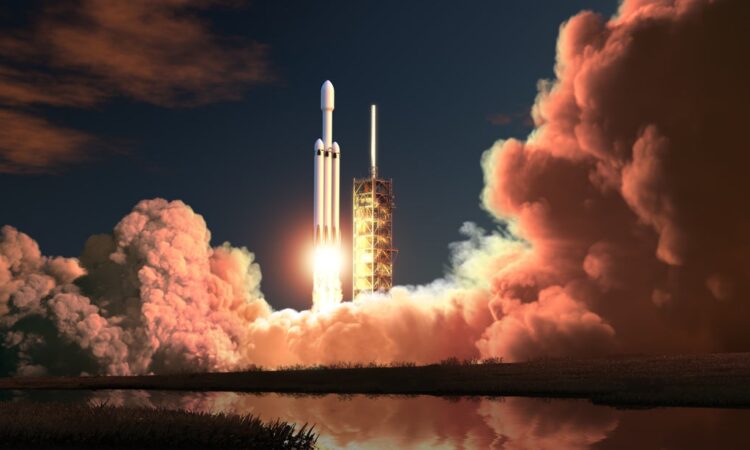
SpaceX is set to make stock market history. The rocket maker turned satellite internet and artificial intelligence (AI) conglomerate is expected to begin trading on the Nasdaq on Friday, June 12, after selling about 555.6 million shares at a fixed price of $135 apiece. It will trade under the ticker SPCX. The $75 billion raise would be the largest from any initial public offering (IPO) ever — more than double the $29.4 billion record set by Saudi Aramco in 2019. And it gives the company an initial market value of about $1.77 trillion, instantly one of the most valuable companies in the world.
Anticipation among everyday investors seems just as outsized. SpaceX‘s prospectus names several retail brokerage platforms that will make shares available at the offer price, an unusual arrangement at this scale. Everyone else who wants in on Friday will pay whatever price the market sets at the open.
Missed Nvidia in 2009? This Rare Signal Is Flashing Again. In 2009, a “Double Down” signal flashed for a little-known chipmaker called Nvidia. For the first time in years, that same “Total Conviction” signal is flashing for a company 1/100th the size of Nvidia. Continue »
So, what does history say about buying a debut of this magnitude on day one? Here are three lessons from the market’s biggest IPOs.

1. The first-day pop mostly rewards offer-price buyers
Big IPOs usually rise on their first day. But the headline gain is measured from the offer price, not from the price most investors can actually get. When Chinese e-commerce giant Alibaba went public in 2014, its shares were priced at $68 and opened at $92.70 before closing at $93.89 — a 38% first-day gain. That pop, however, went almost entirely to investors who received shares in the offering. Anyone who bought at the opening trade earned barely more than 1% by the close.
It can be worse. Visa priced its 2008 IPO at $44 and closed its first session 28% higher at $56.50. But the stock opened at $59.50, meaning investors who bought at the opening trade finished their first day down about 5%.
2. Patient buyers have usually been offered a better price
Here’s the part of IPO history that gets less attention: each of the market’s most celebrated debuts eventually traded below not just its first-day close but its offer price.
Meta Platforms, then known as Facebook, closed its first day in 2012 at $38.23, nearly flat against a $38 offer price. The stock then needed more than a year to climb back above that level. Alibaba slid below $68 less than a year after its debut. Even Visa, one of the market’s great long-term winners, dipped below $44 by January 2009.


