
Egypt’s currency becomes world’s best performer as oil prices collapse and investors confidence return
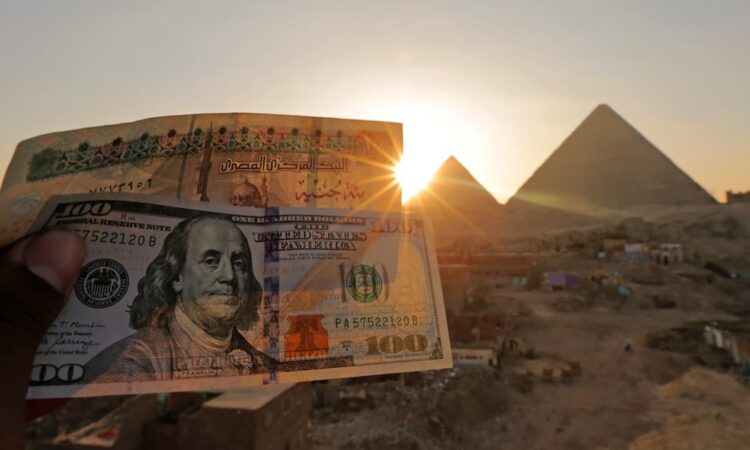
Egypt’s pound has emerged as the world’s best-performing currency after a sharp decline in global oil prices eased pressure on the North African economy and renewed investor confidence, according to a report by Bloomberg.
The currency has strengthened significantly in recent weeks, rising more than 7% against the U.S. dollar since early May. On Wednesday, it traded above 50 pounds per dollar for the first time since March 3, making it the strongest-performing currency globally over the period.
The rebound follows a steep drop in oil prices after the United States and Iran reached an agreement to reopen the Strait of Hormuz, one of the world’s most important energy shipping routes. The move is expected to restore oil supply flows and reduce inflationary pressures, particularly for major energy importers such as Egypt.
For much of the year, the Egyptian pound had been under pressure as rising energy costs threatened to strain government finances and increase living costs for millions of Egyptians already grappling with years of high inflation. The decline in oil prices has reversed some of those concerns, improving the country’s economic outlook and attracting fresh investor interest.
According to Thys Louw, a portfolio manager at Ninety One in London, Egypt was among the markets most affected during the crisis, making it one of the biggest beneficiaries as investor sentiment improves. He noted that the pound could return closer to its pre-crisis level of around 47.9 per dollar.
The improving outlook has also boosted Egypt’s debt market. Dollar-denominated Egyptian bonds have gained more than 3% on average since the US-Iran agreement, ranking among the best-performing emerging-market bonds during the period. Citigroup analysts have also recommended Egypt’s local-currency bonds, citing expectations that lower oil prices will reduce economic pressures.
Record Reserves Strengthen Outlook
The latest gains build on an already improving financial position. Earlier this year, Business Insider Africa reported that Egypt’s net foreign assets surged to a record $29.54 billion in January, rising by $4.02 billion in a single month. The increase was driven by fresh Gulf investments, the country’s currency reforms, and record remittance inflows from Egyptians abroad.
Analysts say the growing foreign currency reserves provide a stronger buffer for imports, debt repayments, and overall economic stability as Egypt continues reforms under its $8 billion International Monetary Fund programme.


