
Rs 100, Rs 200, Rs 500: India to soon get plastic currency notes – Know why RBI revived its decade-old plan
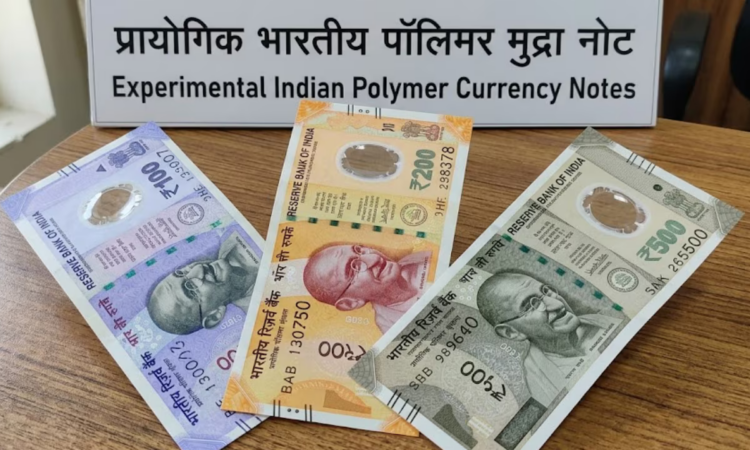
The Reserve Bank of India is planning a pilot project for plastic (polymer) banknotes, saying they are durable, cost effective and can help meet the growing demand for cash despite the rise of digital payments.
Share Article
https://www.india.com/business/rs-100-rs-200-rs-500-india-to-soon-get-plastic-currency-notes-know-why-rbi-revived-its-decade-old-plan-reserve-bank-of-india-central-bank-icici-hdfc-8429801/
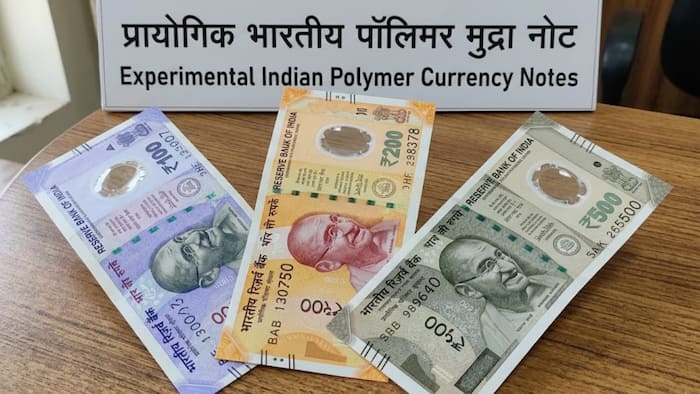
Rs 100, Rs 200, Rs 500: India to soon get plastic currency notes – Know why RBI revived its decade-old plan | Image: AI generated
India May Soon Get Plastic Currency Notes: In view of the surging demand for currency notes in recent years, the Reserve Bank of India (RBI) has revived its decade-old plan of printing polymer banknotes. The topic of introducing polymer (plastic) notes was already being discussed at the last two board meetings of the central bank, Business Standard reported, citing sources aware of the development.
The idea is approved because plastic notes are comparatively cheaper to produce and more durable than traditional paper currency notes. A pilot project to introduce plastic currency notes is likely to be announced in the coming months.
The idea is approved because plastic notes are comparatively cheaper to produce and more durable than traditional paper currency notes. A pilot project to introduce plastic currency notes is likely to be announced in the coming months.
“There are clear advantages in the cost of production of such notes compared to the paper notes currently being used. Moreover, automated teller machines (ATMs) would be enabled to dispense polymer-based notes. We have the wherewithal to do this now,” Business Standard quoted one of the sources familiar with the board’s deliberations.
Rising Currency Demand Pushes Up Printing Costs
The bank regulator stated that spending on currency note printing increased to Rs 6,372.8 crore in FY25, a year earlier it was Rs 5,101.4 crore. The cost increased as more banknotes were ordered for printing.
Another key reason behind the move is the life of banknotes, as the number of discarded notes remains high. Last year, RBI disposed of 23.8 billion soiled banknotes, up by 12.3 percent from 21.24 billion a year earlier. Most of the discarded notes were Rs 100 and Rs 500.
Rs 10, Rs 20 Notes See High Demand Despite Low Circulation Share
Sources said demand for lower-denomination notes like – Rs 10 and Rs 20 has remained strong in recent years.
However, these notes account for only a small share of the total currency in circulation by value.
In 2012, the central government decided to introduce 1 billion Rs. 10 plastic banknotes on a trial basis. The plan was to introduce these notes in five cities. The primary objective was to increase their shelf life, the United Progressive Alliance (UPA) government had said.
However, the pilot project was rejected due to technological challenges.


