
Need to know
Know your driveway access rights in the UK – from what counts as civil trespass to when you can call the police or council about a blocked driveway

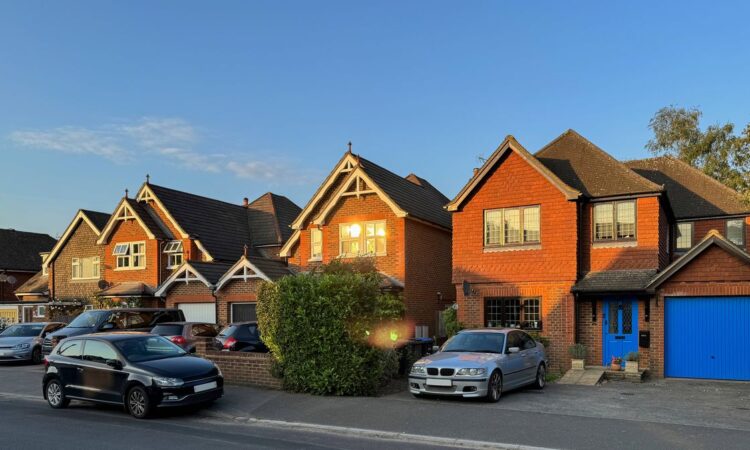
If a person has blocked your driveway and is preventing you from getting your own vehicle out, the police may be able to help (stock image)(Image: Getty )
What you can and cannot do if someone blocks your driveway – need to know
- Householders frustrated by blocked driveways or unauthorised parking on their property must understand UK laws to avoid legal repercussions. Many assume they can take immediate action on their own property.
- However, legislation has specific regulations about what you can and cannot do. If you proceed without understanding these rules, you could face fines or legal difficulties.
- Gov.uk advises starting with neighbourly communication: “Before making a formal complaint or getting others involved, try to discuss the problem with your neighbour.” Citizens Advice adds that you should “only talk to your neighbour if you feel safe and comfortable.”
- The Highway Code Rule 243 prohibits parking in ways that obstruct driveways, and motorists are forbidden from parking on dropped kerbs. If a vehicle is parked directly on your driveway, this is civil trespass and police typically won’t intervene unless there’s property damage.
- For vehicles blocking your driveway access, you can call 101 to report the obstruction. Local councils can issue Penalty Charge Notices, particularly for vehicles blocking driveways with dropped kerbs.
- Dropped kerbs have stricter regulations under Road Vehicles Regulations 1986, section 103. Local councils can take action even when vehicles aren’t technically on private land.
- Homeowners must avoid clamping, towing, or obstructing vehicles themselves. This could result in penalties or legal complications.
READ THE FULL STORY: What are your legal rights if someone parks on your driveway or blocks it
add a comment


