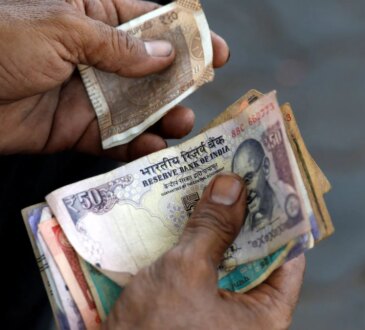
Asian currencies managed to recover some ground on Thursday after days of pressure from a stronger US dollar. The greenback eased slightly from recent highs, allowing several regional currencies to post gains as investors locked in profits and waited for fresh economic signals from the United States.
The focus is now firmly on the upcoming Personal Consumption Expenditures, or PCE, inflation report. The data is closely watched by the US Federal Reserve and could influence future interest rate decisions.
While the dollar weakened slightly during the session, expectations that the Federal Reserve may keep rates higher for longer continue to provide support for the US currency.
Asian currencies gain as the US dollar rally slows
The Indian rupee and Malaysian ringgit were among the strongest performers in Asia.
The rupee gained around 0.4%, while the ringgit climbed roughly 0.5% as investors moved back into regional currencies after the dollar’s recent advance.
The US Dollar Index slipped about 0.1% after reaching its highest level since November during the previous trading session. The small decline helped improve sentiment across emerging Asian markets.
China’s yuan also recovered modestly. Both the onshore and offshore versions of the currency strengthened slightly against the dollar. Other regional currencies including the Thai baht, Philippine peso, and Indonesian rupiah also posted gains.
South Korea’s won rose after a strong performance in local stock markets, while Taiwan’s dollar also moved higher.
Japan’s yen remained under pressure despite the softer dollar. The currency continued to trade near levels that have previously triggered concerns about possible government intervention in the foreign exchange market.
US PCE inflation report becomes market focus
Investors are avoiding large bets before the release of the latest US inflation figures.
The PCE report is considered the Federal Reserve’s preferred measure of inflation. If price pressures remain stubbornly high, policymakers could keep interest rates elevated for longer than markets currently expect.
Higher US rates tend to support the dollar because they attract global capital seeking stronger returns. That dynamic has been one of the main reasons behind the greenback’s strength in recent months.
Currency traders are therefore treating the inflation report as one of the most important economic releases of the week. The results could determine whether the dollar resumes its rally or faces a deeper pullback.
Australian dollar holds steady after strong jobs data
The Australian dollar was little changed despite a surprisingly strong labor market report. Australia added 40,300 jobs in May, marking the biggest monthly increase in five months. At the same time, the unemployment rate unexpectedly fell to 4.4%.
The figures suggested the labor market remains resilient even as higher borrowing costs continue to weigh on parts of the economy.
However, economists remain divided over what the data means for the Reserve Bank of Australia’s next policy decision. Some analysts believe persistent inflation pressures could still leave the door open for another rate hike if price growth does not cool fast enough.
Meanwhile, New Zealand’s dollar stabilized after recently falling to a seven-month low. Like many global currencies, it remains highly sensitive to shifts in expectations surrounding US interest rates.
For now, the dollar remains the dominant force in currency markets. But with inflation data, Federal Reserve expectations, and ongoing geopolitical developments all in focus, the next few trading sessions could determine whether Asian currencies can extend their rebound or face another round of pressure from a resurgent greenback.