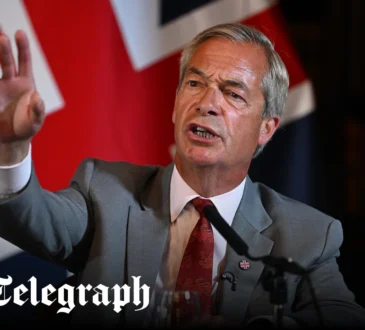
Andy Burnham gave his first major speech on Monday as he prepares to enter No 10 and become the new prime minister.
As yet, there are few clear details of what will change as Mr Burnham laid out a “ten-year mission” to raise living standards.
But, his stance on property tax reform in particular is well-documented and, given time, Brits could see one of the biggest changes in generations across this area of their financial lives.
Stamp duty, council tax and wider costs around owning properties or land could all be changed. Here The Independent looks at what those changes might be.
Stamp duty or LVT?
One of the biggest talking points will quickly become whether a Burnham government will really abolish stamp duty – a painful extra cost for homebuyers, as well as an irritating additional expense for investors buying British shares.
Economists have long criticised stamp duty for discouraging people from moving home. Speculation has grown that a future government could consider replacing it with some form of annual property or, as Mr Burnham has spoken about before, a Land Value Tax (LVT) – an annual payment based on how much the land is worth.
Burnham previously described LVT as a “very productive form of taxation because you make sure land is used for good, productive purposes, and if people are sitting on it and hoarding it, they get taxed and that money can come back and be redistributed.”

Peter Stimson, director of mortgages at lender MPowered, believes few would shed tears if stamp duty disappeared. “No-one would mourn the passing of stamp duty,” he saod. “It’s a crude and hated tax that needlessly distorts the property market.”
He argues the tax penalises workers moving for better jobs and discourages older homeowners from downsizing. Its absence would “make it easier and cheaper […] to move to somewhere better suited to their needs,” he adds.
According to Stimson, abolishing stamp duty could trigger a surge in market activity as one of the biggest barriers to moving is removed. However, replacing it with a Land Value Tax would create a new set of winners and losers.
“If the replacement is a Land Value Tax, mortgage lenders will need to completely rework their affordability criteria,” he said, because the charge would become a permanent household expense rather than a one-off cost.
Joseph Lane, founder of Mortgage Lane, noted that these proposals – and others made by Burnham in Manchester on Monday – were considerations rather than something to plan around for homebuyers or movers right now. “A serious focus on building is one of the few things that genuinely helps affordability over time, and any move to reform or scrap stamp duty would lower the upfront cost of getting on the ladder. But these are long-term possibilities, not changes you can plan a 2026 purchase around,” he said.