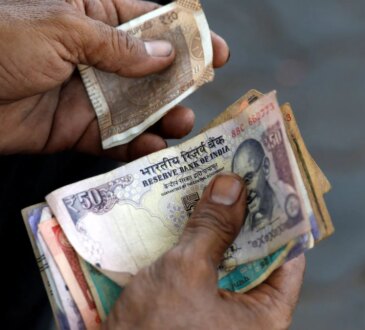
The Indian rupee is likely to come under pressure at Wednesday’s open, weighed by higher U.S.
Treasury yields, which have in turn weakened Asian currencies
and dampened risk appetite.
The rupee is expected to open in the 94.70-94.75
range, per traders, after settling at 94.66 on Tuesday. The
currency has struggled over the past two sessions, pressured by
weakness in its Asian peers, an uptick in daily importer
hedging, and waning speculative interest.
Over the past two-and-a-half weeks, the rupee has broadly
traded in a 94.10–94.90 range, with downside seen capped by
likely Reserve Bank of India intervention. The central bank has
been selling dollars ahead of the 95 level, traders said, making
it a key threshold to watch.
The 94.80–95.00 near-term support zone is “definitely”
looking vulnerable, a currency trader at a bank said. A break
past that level could add pressure on the rupee, trigger
stop-loss orders and prompt exporters to hold out for further
depreciation, he added.
ASIA STRUGGLES
Losses in Asian currencies were led by the Korean won and
the Indonesian rupiah, while regional equities and U.S. equity
futures dipped.
The rise in U.S. Treasury yields dampened demand for Asian
currencies and weighed on risk sentiment. The 10-year U.S. yield
rose 4 basis points in Asian trading to 4.4650%, adding to
Tuesday’s 6 bps increase.
Markets now price in around an 80% chance of a Federal
Reserve rate hike in September.
Data released on Tuesday showed U.S. job openings climbing
to a two-year high in May, underscoring the resilience of the
labour market and undermining demand for bonds.
The release marks the first in a string of key U.S.
employment indicators this week, culminating in Thursday’s
non-farm payrolls report.
Meanwhile, oil prices inched higher. U.S. envoys in Doha
will not hold high-level talks with Iran, a Qatari official
said, raising doubts about progress towards ending the conflict.
Published on July 1, 2026