There’s a rule in finance: when geopolitical risk spikes, credit freezes first and thaws last. Asia’s syndicated loan market is living proof of that right now.
Lending activity across the Asia-Pacific region, measured in G3 currencies and excluding Japan, fell to a five-year low in the first quarter of 2026. That makes Q1 2026 the weakest quarter for regional syndicated lending since the depths of the pandemic, and by mid-2026 there is still no sign the market is finding its footing.
The catalyst is the escalating conflict involving Iran, which intensified from late February 2026. What started as a geopolitical flashpoint quickly cascaded into an economic problem: oil prices surged, shipping routes faced disruption, and the risk appetite that had quietly returned to Asian bank lending desks evaporated almost overnight.
From Dubai optimism to Gulf retreat
The timing is particularly striking when you consider the mood just weeks earlier. The Asia-Pacific Loan Market Association held its first-ever conference in Dubai in January 2026, and the sentiment in the room was cautiously upbeat. Asian banks were showing real interest in Gulf lending, viewing the region as a growth frontier worth leaning into.
That optimism had a short shelf life. By late February, the Iran conflict had escalated sharply enough to force a full strategic reassessment across regional lenders. Banks that had been positioning themselves to expand Gulf exposure instead started pulling back, recalibrating risk limits and pressing pause on new commitments in the region.
Oil, shipping, and the mechanics of a freeze
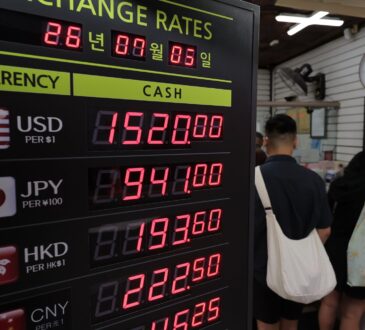
Soaring oil prices hit Asian economies through two mechanisms simultaneously. First, they raise input costs for the export-heavy manufacturers and industrial borrowers that make up a big chunk of regional syndicated loan demand. Second, they widen current account deficits for oil-importing nations across Southeast and South Asia, which puts pressure on currencies and sovereign creditworthiness. Lenders pricing loans in G3 currencies suddenly face a more complicated credit picture from borrowers whose domestic fundamentals are deteriorating.
Shipping disruptions add another layer. A significant portion of Asia-Pacific trade finance and project lending touches supply chains that run through the Gulf. When those routes become unpredictable, the underlying deals that loans are structured around become harder to underwrite with confidence.
Stock and bond markets across Asia experienced volatility and sell-offs from March through June 2026, driven by sustained Iran-related uncertainty.
What this means for investors and market participants
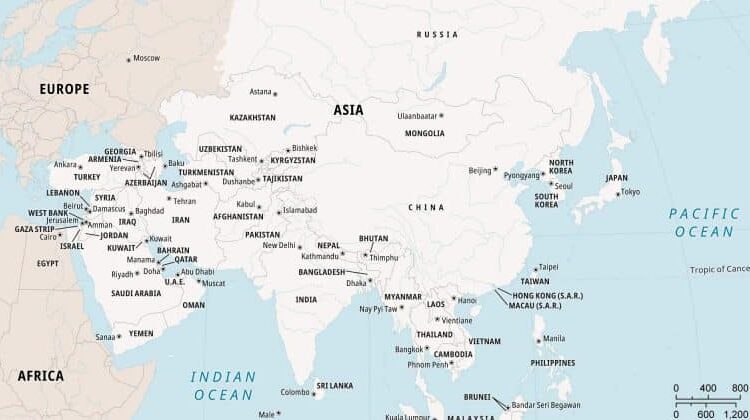
The Gulf angle matters specifically because Asian banks, particularly those from China, Japan, and Southeast Asia, had been identified as a key growth constituency for Middle Eastern infrastructure and energy lending. The withdrawal of that cohort doesn’t just affect deal volumes; it affects the competitive dynamics and pricing of Gulf credit markets more broadly. Fewer lenders competing for deals means thinner syndication, higher spreads, and in some cases deals that simply don’t get done.