By Nimesh Vora
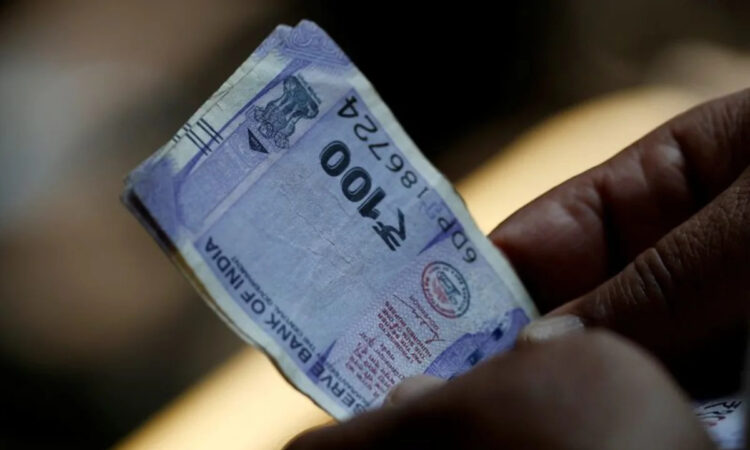
MUMBAI, July 6 (Reuters) – The Indian rupee is likely to open the week on a weaker note after recent market movements suggested it might come under further pressure, while struggling Asian currencies add to the weak outlook.
The rupee is expected to open in the 95.22-95.26 range, as per traders, after settling at 95.21 on Friday.
The local currency’s outlook turned negative after it fell nearly 1% last week, driven by arbitrage-related outflows, importers buying dollars for routine payments and a rally in the U.S. dollar on investors betting of a Federal Reserve rate hike.
While the dollar’s rally has paused following a softer-than-expected U.S. June jobs report, traders expect only limited relief for the rupee.
The extent of pressure on the rupee can be gauged from the fact that lower crude oil prices have largely been discounted and that the currency is still at these levels despite RBI support, a currency trader at a bank said.
Recent trading suggests corporates may resume buying the dollar/rupee pair on dips, the trader added.
The Reserve Bank of India has been selling dollars via state-run banks to support the rupee around the 94.80-95.00 zone. The rupee’s slide, despite those interventions, underscores the strength of underlying dollar demand.
ASIA RETREATS
The Indian rupee will have to contend with weakness in its Asian peers and a modest uptick in the dollar index. The market’s focus this week will be on the minutes of the Federal Reserve’s latest policy meeting in what is otherwise a relatively data-light calendar.
The next major test for the dollar and expectations of a Federal Reserve rate increase later this year will be the U.S. June inflation report due on July 14.
Federal Reserve Chair Kevin Warsh has emphasised that inflation remains the central bank’s primary focus.
“A soft July inflation report should boost the case for a prolonged Fed pause,” ING Bank said in a note.
(Reporting by Nimesh Vora; Editing by Janane Venkatraman)