The ceasefire between the U.S. and Iran ruptured this week after the U.S. launched more than 80 strikes on Iran midweek in response to Iranian attacks on ships moving through the Strait of Hormuz. At a NATO summit in Turkey, President Donald Trump declared the ceasefire to be “over” and promised additional strikes on Iran.
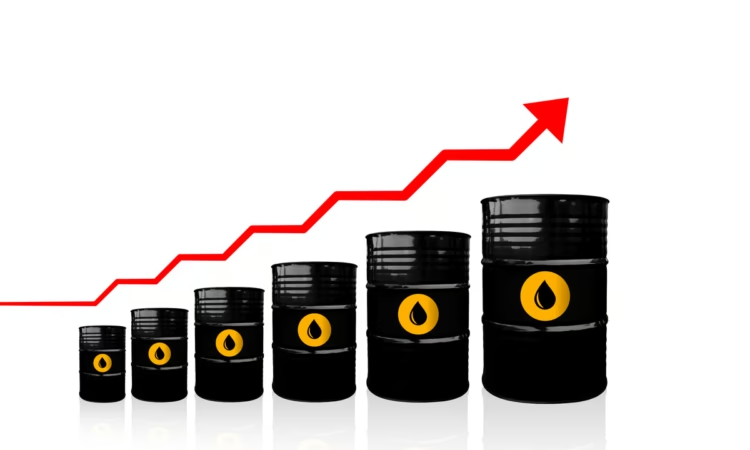
The strikes and the prospect of additional military actions had an immediate impact on stocks and commodity prices. The S&P 500 (^GSPC 0.28%) was down about 0.4% on Wednesday, while Brent crude oil, the international benchmark, jumped about 4% from about $72 per barrel to $77 per barrel. The price of oil had been trending lower since mid-May, when it topped $112 a barrel.
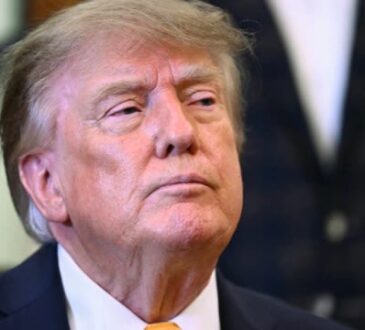
Image source: Getty Images.
In addition, yields on 10-year Treasury securities are rising, hitting 4.57% Wednesday, up from 4.38% about a week ago. Yields tend to react to the prospects of higher inflation and potential rate hikes by the Federal Reserve.
No ceasefire means more inflation and higher rates going forward
But what does the end of the ceasefire, if indeed it is over as President Trump says, mean for the stock market going forward? Perhaps the biggest impact of renewed hostilities in the Persian Gulf will be on inflation and interest rates, market analysts say.
On Wednesday, market and economic analyst Edward Yardeni told Bloomberg that inflation concerns are back in play and that Fed rate hikes are suddenly looking much more likely.
That’s what the futures market says, too. Futures traders are now pricing in a nearly 70% chance that the Federal Reserve will raise its benchmark interest rate at the Sept. 15-16 meeting of its monetary policy committee. Just a month ago, they were pricing in a 40% chance of a hike at that meeting. Futures prices indicate a nearly 50% chance of two quarter-point hikes by the end of this year.
Clearly, if the ceasefire is over, interest rates are headed higher. And rising oil prices will continue to send inflation, already well above the Fed’s 2% target, higher, too.
Rising interest rates, oil prices, and bond yields can all be significant headwinds for the stock market.
In addition, stock market volatility is spiking again. On Wednesday, the CBOE Volatility Index (VIX) rose above 18, a level that indicates heightened investor anxiety. And the CNN Fear & Greed Index spiked from 30 to 43 over the past week, putting it squarely in the “Fear” range, though still below “Extreme Fear.”
Elevated volatility could continue through November, as some analysts believe Iran’s strategy is to avoid any real deal with the U.S. until after the midterm elections that month, when higher inflation could cause Republicans to lose one or both chambers of Congress, dealing a political blow to the Trump administration.