
India’s crypto policy appears to be moving backwards. This is an interestingly glum turn, especially as global markets push for better regulations.
According to internal government documents, the Reserve Bank of India (RBI) is now actively for a policy that is “leaning towards (the) prohibition” of crypto.
RBI’s push for a crypto ban
The RBI has reportedly stated that banks and financial institutions should be barred from gaining exposure to cryptocurrencies and privately issued stablecoins. As per Reuters, the concern is that allowing regulated lenders to interact with crypto could bring chaos to the formal financial system.
Another concern is that it would allegedly increase contagion risks.
The RBI also believes that foreign currency-backed stablecoins are a threat to monetary sovereignty. Even the idea of rupee-backed tokens doesn’t have much support since there might be the risk of reducing the government’s income from issuing fiat currency.
Pressure from the tax department?
According to Reuters, the department has reportedly found instances of misreporting in crypto disclosures.
Fewer than a quarter of the 6,45,000 crypto transaction participants of FY2023 reported them in their tax returns. Officials believe that offshore exchanges, private wallets, and peer-to-peer rupee trades make it harder to identify beneficiaries.
India currently taxes crypto gains at 30%, but enforcement is a different ball game altogether. The tax department has flagged wild swings and the lack of uniform valuation standards as challenges.
The Ministry of Corporate Affairs is now taking a look at accounting standards and guidance for VDAs.
Why this matters for India’s crypto market
India has nearly 39 million crypto traders holding around $2.1 billion in digital assets, as per tax department estimates. However, the country has kept crypto in a grey zone for years. A 2021 draft bill to ban private cryptocurrencies was never introduced, and a formal discussion paper has been delayed for long.
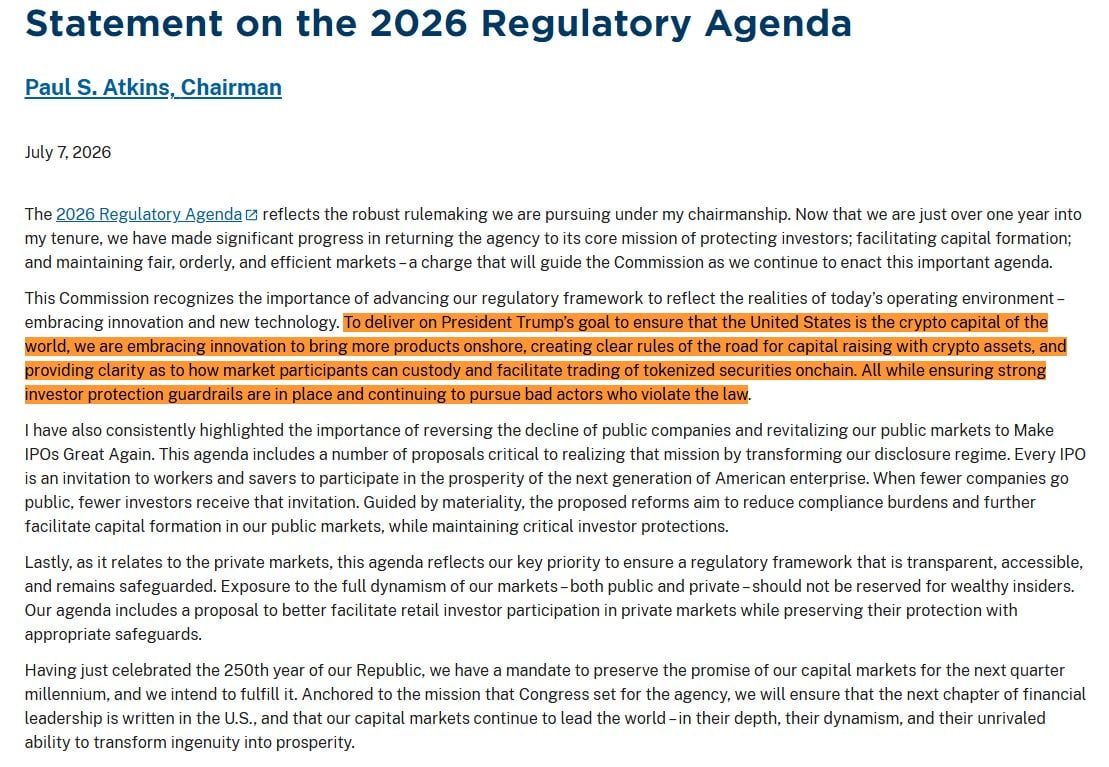
Meanwhile, the U.S has reaffirmed its commitment to the industry. They’ve also put forth the CLARITY Act for Senate consideration.
Japan and Singapore have also built regulatory frameworks. Interestingly, one of the other big economies, China, continues to maintain a ban.
As it stands, this uncertainty will continue to hurt Indian exchanges, Web3 startups, institutions, and investors.
Final Summary
- The Reserve Bank of India has reportedly pushed for a crypto ban in India.
- India has 39 million crypto traders holding $2.1 billion.