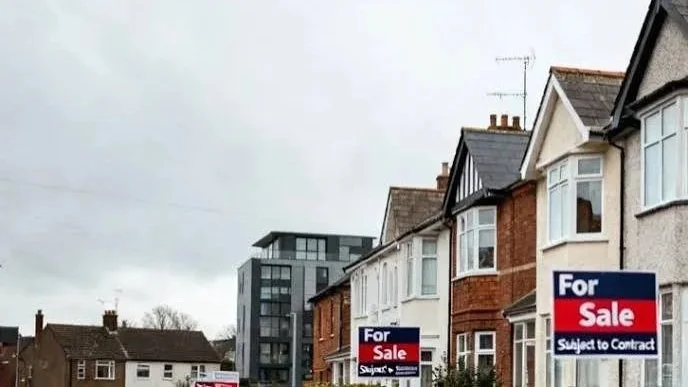
The trend reflects changing market conditions where affordability concerns and a wider choice of available homes have reduced the urgency that characterised the property market in previous years. While transactions continue to take place, sellers are increasingly required to price properties competitively and present them effectively to attract buyers.
Buyers Take a More Cautious Approach
The decline in property offers suggests that buyers are becoming more deliberate in evaluating potential purchases before committing. Higher mortgage rates have increased financing costs, prompting many households to reassess affordability and negotiate more aggressively on asking prices.
Industry data indicates that the number of sales agreed has fallen compared with the same period last year, while buyer demand has also weakened. This has shifted market dynamics, giving purchasers greater bargaining power and reducing competition for available properties.
Increased Housing Supply Changes Market Dynamics
The growing number of homes available for sale has further strengthened buyers’ position. With more options on the market, purchasers are no longer under pressure to make immediate offers and are instead focusing on properties that offer better value, favourable locations and competitive pricing.
Property analysts note that realistic pricing has become increasingly important. Homes that enter the market with inflated asking prices are taking longer to sell and often require price reductions before attracting serious interest.
Mortgage Costs Continue to Influence Demand
Financing conditions remain one of the biggest factors affecting the UK housing market. Although mortgage rates have eased from recent peaks, borrowing costs remain significantly higher than levels seen during the low-interest-rate environment that supported strong housing demand in previous years.
The higher cost of borrowing has reduced purchasing power for many households, particularly first-time buyers, leading to more cautious purchasing decisions and longer sales timelines.
Market Activity Remains Resilient
Despite the decline in property offers, the UK housing market continues to record steady levels of activity. Surveyors have reported modest improvements in buyer enquiries and expectations for future sales, although overall sentiment remains fragile due to inflation concerns, borrowing costs and broader economic uncertainty.
Recent market indicators also show that house prices have remained relatively stable in many regions, with performance varying across the country. More affordable regions have generally demonstrated stronger resilience than higher-priced markets, where affordability pressures remain more pronounced.
Implications for Property Investors and Developers
For investors and developers, the changing market presents both challenges and opportunities. Slower buyer activity may extend sales cycles, requiring greater emphasis on pricing strategy, product quality and market positioning.
However, a more balanced market can also support sustainable long-term growth by reducing speculative activity and encouraging transactions based on underlying demand rather than market momentum. Developers may increasingly focus on affordability, energy efficiency and locations with strong transport links to attract buyers in a more selective environment.
Conclusion
The 6% decline in UK property offers highlights a housing market adjusting to higher borrowing costs and changing buyer priorities. While demand remains resilient, purchasers are exercising greater caution and taking advantage of increased housing supply to negotiate better value. For sellers, developers and investors, the evolving landscape underscores the importance of realistic pricing, quality housing stock and strategic market positioning as the UK property market continues to rebalance.