By Laura Matthews
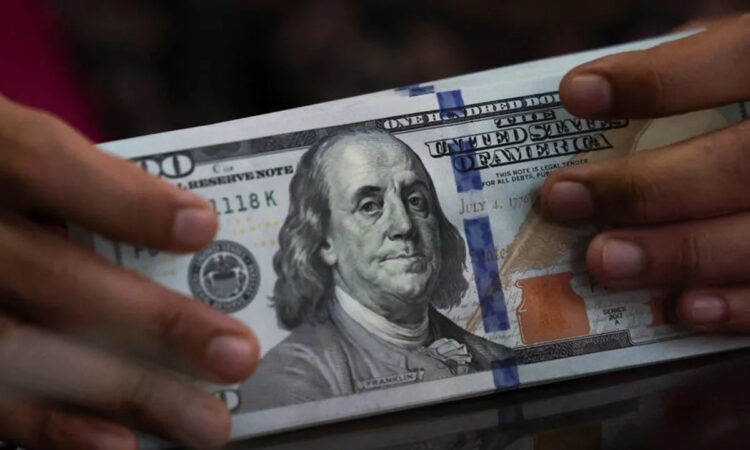
NEW YORK, July 15 (Reuters) – The dollar fell against major currencies on Wednesday after softer-than-expected U.S. producer prices reinforced signs of easing inflation, bolstering the view that the Federal Reserve can remain patient on interest rates even as investors weighed renewed strikes on Iran.
The Producer Price Index for final demand dropped 0.3% in June after a downwardly revised 0.6% increase in May, the Bureau of Labor Statistics said on Wednesday. Economists polled by Reuters had forecast the PPI unchanged after a previously reported 1.1% advance in May.
The dollar slipped 0.2% against the yen to 161.90 yen. The euro rose 0.51% to $1.1479, its highest since June 19. Sterling advanced 1.25% to $1.3554, its highest since mid-May, supported by news that Andy Burnham, likely to be named Labour party leader on Friday, will appoint a fiscally conservative finance minister.
The U.S. dollar index, which tracks the currency against six major peers, fell 0.55% to 100.36, its lowest since mid-June. It fell 0.4% in the previous session, its biggest decline in nearly two weeks, after touching its highest level since July 2.
“The dollar’s recent strength has largely been tied to expectations of tighter U.S. monetary policy,” said Steve Kolano, chief investment officer at Integrated Partners.
“Not necessarily tighter policy itself, but rather a lower probability of policy easing, as Fed funds futures are still pointing to the possibility of one to two rate hikes by the end of the year.”
New York Fed President John Williams said inflation remains “unquestionably too high” but may have peaked and should begin easing, adding that monetary policy is well positioned to guide it back to target.
“This PPI report adds to the evidence that inflation momentum is cooling. Yesterday’s CPI likely exaggerates the slowdown, but broader data suggest inflation may be past its peak,” said Jeremy Schwartz, senior US economist
at Nomura. “The Fed will likely remain alert to inflation risks, but recent data support our expectation that policy will remain on hold.”
EYES ON THE MIDDLE EAST
The latest escalation in hostilities between the U.S. and Iran kept oil prices near one-month highs, maintaining pressure on the inflation outlook.
The U.S. military said it had begun a new wave of strikes on Iran at 6 a.m. ET (1000 GMT) on Wednesday, after U.S. President Donald Trump said on Tuesday that Washington had reimposed a naval blockade of all Iranian ports.
The dollar has tended to benefit during flare-ups in the conflict because of its safe-haven status and the relatively limited impact of higher energy prices on the U.S. economy compared with some peers.