
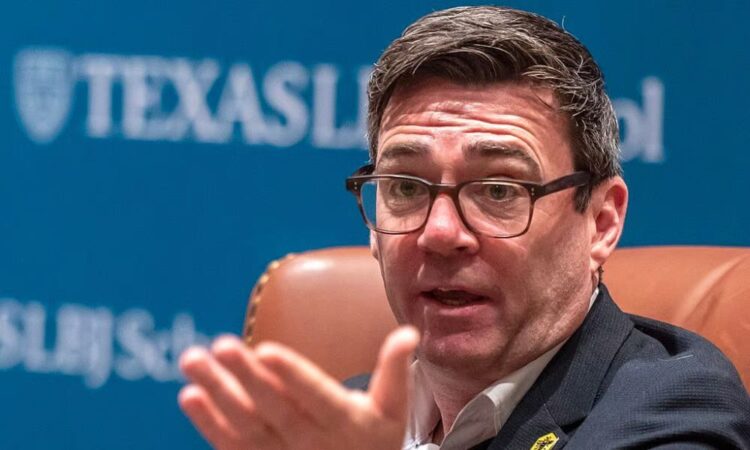
“Sterling didn’t rally because investors trust Burnham’s fiscal instincts. It rallied because Mahmood was seen as the least damaging option on the table. Strip that relief away and you are left with a prime minister who has refused to rule out a wealth tax, who floated an exit charge on departing wealth just months ago through his own Treasury, and who has spoken for years about taxing capital harder than his predecessors dared.
“Mahmood’s reputation has bought Burnham a honeymoon with investors, but honeymoons end the moment a Budget lands. Every signal from his time as mayor and every hint from his own allies points toward a government that will ask wealthy individuals and business owners to pay considerably more, whether through a wealth tax, an exit charge, or a further increase in capital gains tax.”
Susannah Streeter, chief investment strategist at Wealth Club, has noted that “sustained elevated gilt yields push up swap rates and, in turn, fixed-rate mortgage pricing,” underlining why the chancellor appointment carries more immediate weight for near-term borrowing costs than any single housing policy announcement.
Stamp duty and council tax could be replaced
The most structurally significant component of Burnham’s housing agenda is his support for replacing both stamp duty and council tax with a proportional property levy. Modelled on proposals by the Fairer Share campaign group, the scheme would impose an annual charge of 0.48% on a property’s current assessed value. Second homes, overseas buyers and empty properties would face a higher rate of 0.96%.
Analysis of the proposals found that the average London homeowner would pay £260 more per year, with the capital collectively bearing £2.5 billion in additional tax. In Kensington and Chelsea, where average values stand at £1.273 million, the annual liability would reach £6,110 — compared with a current council tax bill of £3,287.


