
12:01 AM, 21st July 2026, 1 hour ago
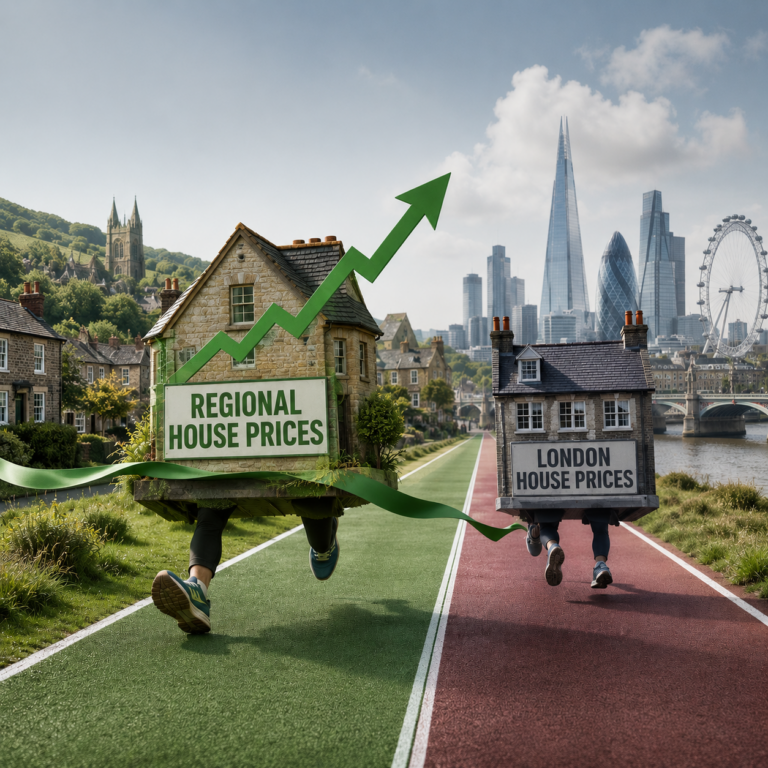
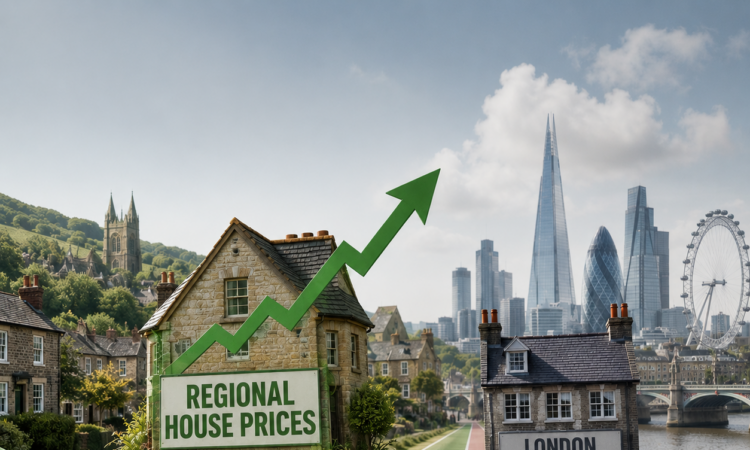
Landlords assessing property values are seeing stronger house price growth in lower-cost parts of Britain, while London continues to fall behind.
The latest e.surv House Price Index puts the average Great Britain house price at £328,800, an increase of 1.8% over the year.
Prices rose by 0.1% during the latest month and 0.4% over the quarter.
Annual growth slowed from 2% in May.
Future house price growth
The e.surv report says: “House price growth is likely to remain modest over the second half of the year.
“Lower-priced regions should continue to outperform, while London and the South East remain more exposed to affordability pressure.”
It adds: “Political change in Westminster may bring housing policy back into focus, including council housebuilding and possible reform of council tax and stamp duty.
“In the near term, markets will be watching policy signals ahead of the Autumn Budget for any impact on funding costs.”
Highest house price rises
Yorkshire and the Humber recorded the strongest annual increase at 4.1%, taking its average property price to £238,300.
The North West followed with growth of 3.8% and an average price of £250,300.
Values rose by 3.5% in the West Midlands, 3.3% in Wales and 3.2% in the North East.
All five regions remain below the national average house price.
Where prices rose
Scotland and the East Midlands also exceeded the Great Britain growth rate, with prices rising by 2.8% in each region.
Quarterly figures showed increases of 0.8% in Scotland and the West Midlands, the highest recorded among the regions.
Growth was slower across southern England with prices increasing by 1.6% in the South West, 1% in the East of England and 0.4% in the South East.
The average South East property was valued at £417,100, with no increase recorded over either the month or quarter.
London is the only region where prices were lower than a year before as average house prices fell by 3.4% to £589,500.
Though e.surv says values increased by 0.5% over the quarter.
Purchase costs grow too
Buying costs have risen considerably faster than property prices since before the pandemic.
House prices were around 24% above their June 2019 level, while the indicative monthly cost of purchasing the average home had risen by about 78%.
Despite that increase, mortgage approvals have recovered from the declines seen during the interest rate shock of 2022 and 2023.
Approvals, measured using a three-month average, were about 6% below their June 2019 level in May 2026.


