Nepal relaxes Indian currency norms, allows Rs 200 and Rs 500 notes up to Rs 25,000 – Firstpost
If you are planning a trip to Nepal, carrying cash just got simpler.
In a move that will come as a relief to Indian travellers, Nepal has relaxed its rules on Indian currency, allowing visitors to carry higher denomination notes within a defined limit. The change is expected to make everyday transactions smoother, especially in tourist areas.
What has changed?
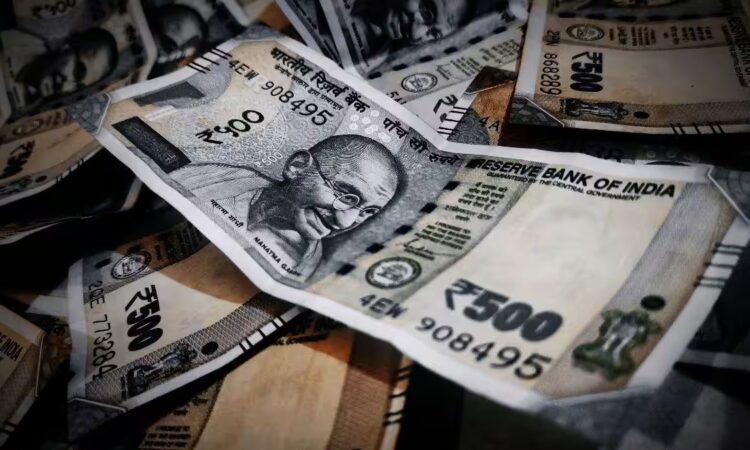
Nepal now permits individuals to carry Indian currency notes of Rs 200 and Rs 500 denominations up to a total value of Rs 25,000 per person. The rule applies to both Indian and Nepali citizens.
There is, however, one key condition. Only banknotes issued after 9 November 2016 are allowed. This means the newer series introduced after India’s demonetisation is valid, while older notes remain restricted.
Why this matters?
Until recently, Indian travellers were largely restricted to carrying smaller denomination notes, making routine payments surprisingly inconvenient.
For instance, paying for a hotel stay, transport or a guided tour often required exact change or a visit to a currency exchange counter. The new rule reduces that friction by allowing commonly used denominations, making everyday spending far easier.
Indian currency is widely accepted in border towns and major tourist hubs such as Kathmandu and Pokhara, although smaller establishments may still prefer Nepali rupees.
What is still not allowed?
The relaxation does not extend to older currency. Pre-2016 high-value Indian notes, including the old Rs 500 and Rs 1,000, are still not permitted in Nepal.
Travellers carrying such notes may face inconvenience at entry points or while making payments, so it is important to check your cash before travelling.
Acceptance is not universal
While the rule makes travel more convenient, acceptance of Indian currency is not uniform across the country. Smaller vendors, local markets and remote areas may still prefer transactions in Nepali rupees.
Digital payments are gradually growing in Nepal, but coverage can be inconsistent, particularly outside major cities. Carrying a mix of payment options remains the safest approach.
A reflection of close ties
India and Nepal share an open border and deep economic and cultural links, with millions crossing between the two countries every year. The easing of currency rules reflects an effort to support tourism and simplify cross-border movement.
The move is also expected to encourage travel from India, which remains one of Nepal’s largest sources of visitors.
What travellers should keep in mind
Before you travel, a few practical checks can help avoid last-minute hassles:
1. Carry only post-2016 Rs 200 and Rs 500 notes
2. Stay within the Rs 25,000 limit per person
3. Avoid older high-denomination notes entirely
4. Keep some Nepali rupees for smaller expenses
5. Use digital payments where available, but do not rely on them fully
The bottom line
It may seem like a small regulatory tweak, but for travellers, it makes a noticeable difference.
With fewer restrictions on usable cash, spending in Nepal becomes more straightforward and less stressful.
For Indian travellers, the change removes a long-standing inconvenience and signals a more seamless cross-border travel experience.