
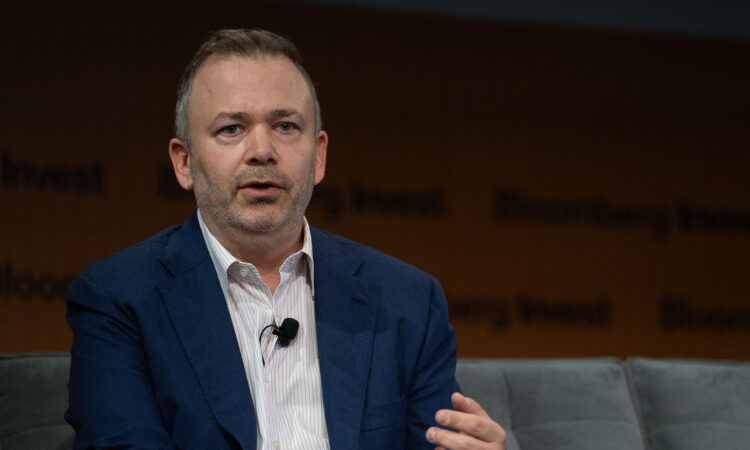
The US activist investor Boaz Weinstein’s hedge fund Saba Capital has taken the next step in its shake-up of the UK’s property market, building up a stake of up to 4% through financial derivatives in the student housing provider Unite Group.
Saba has already bought stakes in several London-listed real estate investment trusts (REITs), including almost a third of office provider Workspace Group and a 5% stake in Grainger, the FTSE 250-listed residential landlord. The company’s website also lists a position in Derwent London.
Although UK-based investors are required to disclose holdings in British companies once they reach a 3% shareholding, as a US-listed investor Saba does not need to disclose its holding until it owns a stake equivalent to 5%.
Weinstein is known for his pugnacious approach to his investments. In January he wrote to the board of Workspace Group proposing a “managed wind-down” of the company, including the disposal of all of its properties, which it said would “reverse years of value destruction”. His three-phase plan suggested all of the company’s 64 properties could be disposed of in less than a year.
This month, Saba raised its stake in Workspace to 29.1%, making it the company’s largest shareholder.
James Carthew, head of investment companies research at QuotedData, questioned its approach. “We think Saba has so much money that it’s having to find different things to do that it wouldn’t normally do, and so it’s started going after property because it’s ostensibly on big discounts,” he said.
One analyst, who did not wish to be named so they could be candid, called the approach “incredibly naive and poorly informed”. “They mistakenly believe that real estate asset valuations are the same as other funds they’ve been involved with,” the analyst said. “Their lack of familiarity with UK real estate practices has hurt them.”
Unite, the UK’s largest student accommodation provider, with 150 purpose-built properties across 23 cities, has been hit by falling student numbers in recent years. Shares have fallen more than 30% in the past year, although in July it said it expected higher occupancy, and rental growth of between 1-2% in the coming academic year.
Oli Buckland, executive director of living capital markets at CBRE, said the student accommodation sector is undergoing “a normalisation”. “We’ve just got back to pre-Covid occupancy and rental growth,” he said.
Both Saba Capital and Unite Group declined to comment.
Newsletters
Choose the newsletters you want to receive
For information about how The Observer protects your data, read our Privacy Policy
Photograph by Bloomberg via Getty Images


