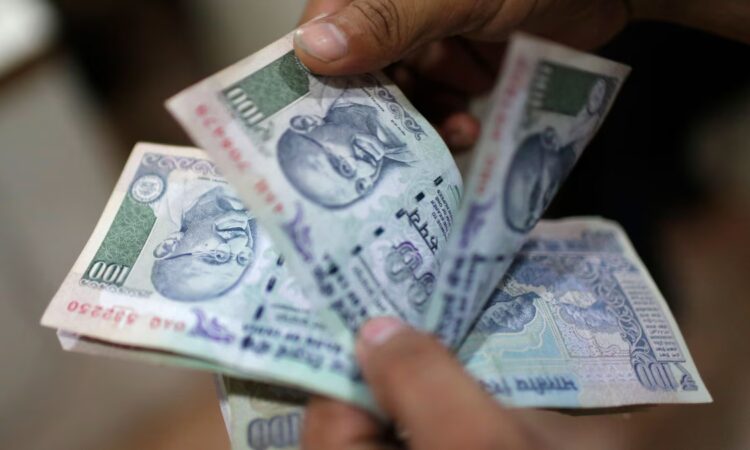
The Indian currency opened at 95.64 per US dollar, compared with Thursday’s (August 20) close of 95.71. In addition, the 10-year bond yield rose to 6.94%
Rupee Export Payments
This comes after a major move from the Directorate General of Foreign Trade.
On Thursday, India relaxed regulations regarding rupee export payments, aligning them with foreign-currency earnings for trade-policy advantages, with the objective of encouraging broader utilisation of the local currency in international trade.
The Directorate General of Foreign Trade has revised the Foreign Trade Policy effective immediately, permitting export contracts, invoices, and payments with non-Asian Clearing Union (ACU) nations to be denominated and settled in either rupees or foreign currencies.
This initiative eliminates a barrier to rupee-based trade and may facilitate commerce with countries experiencing dollar shortages; however, its extensive adoption will hinge on the ability of foreign companies and banks to easily acquire and utilise rupees.
US Bonds Rise
The dollar faced instability and was poised for a weekly decline on Friday, as investors perceived the U.S. Treasury’s bond repurchase strategy as merely a short-term solution, while also expressing new worries regarding officials’ increasingly interventionist stance.
On Friday, the yield on the 30-year US Treasury note increased by approximately 1.4 basis points to 5.2508%, while the benchmark 10-year yield stabilised at 4.7041% after a rise of 4.5 basis points overnight, as the initial relief from Bessent’s bond buyback initiative diminished.
Meanwhile, Crude remains another cause of concern for the Indian Rupee, as the price of Brent Crude remains hot and nears $94 per barrel.
Also Read: Japan’s core inflation accelerates in July, bolsters case for rate hike
(Edited by : Juviraj Anchil)