

Policymakers should focus on increasing housing delivery, supporting investment in existing and new rental homes, improving standards across the sector, and creating a regulatory environment that gives both tenants and landlords confidence in the market.
Propertymark will continue to engage with politicians and policymakers to ensure that reforms are evidence-based and support a sustainable housing market that works for tenants, landlords, and letting agents alike.
Three-year rent cap proposed
A headline housing announcement from the conference was a proposal for a three-year “emergency brake” on private rents in England and Wales.
Under the plans, private rents would be frozen at current levels for three years, with only limited exceptions. The Green Party says the measure would provide renters with “breathing space” during a period of high housing costs and financial pressure.
Concerns over impact on housing supply
While rent controls remain politically attractive during periods of affordability pressure, evidence from a range of international markets suggests they can have unintended consequences.
Propertymark has consistently warned that rent controls treat the symptom of housing shortages rather than addressing the underlying causes. Restrictions on rental income can discourage investment in the private rented sector, reduce the supply of available homes, and ultimately limit choice for tenants.
Research from areas that have introduced rent controls has frequently shown that, over time, landlords may leave the market or reduce investment in maintaining and improving properties. This can further constrain housing supply and place upward pressure on rents when controls are eventually removed.

Focus on building more homes
Alongside the rent cap proposal, conference discussions focused on expanding publicly funded housing programmes and improving access to secure, affordable homes for people on lower incomes.
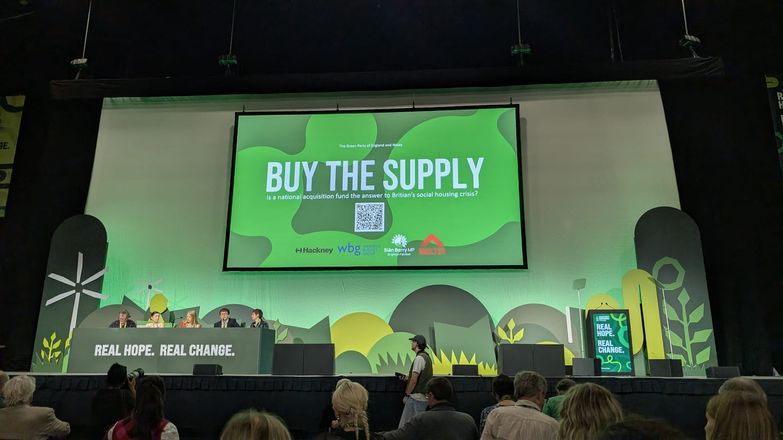
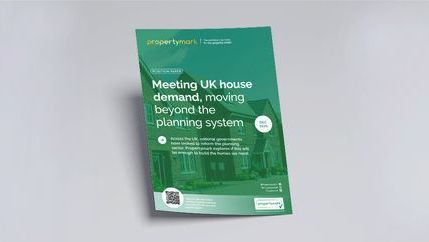
Increasing housing supply is essential to addressing long-term affordability challenges and reducing reliance on the private rented sector. A mix of tenures, including owner occupation, social housing and a healthy private rented sector, is necessary to meet housing demand. We have long supported measures to boost housing delivery and have repeatedly called for governments across the UK to increase housing supply.
Housing affordability remains key political issue
Polanski identified housing among the major challenges facing households and reiterated the Green Party’s commitment to intervention in the housing market where it believes existing policies are failing to deliver affordable homes.
The party’s proposals are likely to contribute to ongoing debate about the future direction of housing policy, particularly as governments across the UK continue to consider measures aimed at improving affordability and strengthening tenants’ rights.

Empty homes part of wider housing debate
The Green Party also highlighted the role that empty homes could play in helping address housing need, arguing that more should be done to bring long-term vacant properties back into use.
Empty homes are frequently cited as a potential source of additional housing supply, particularly in areas where affordability pressures are most acute. However, housing sector stakeholders have consistently highlighted that many vacant properties face complex barriers to occupation, including renovation costs, inheritance issues, legal disputes and planning challenges.
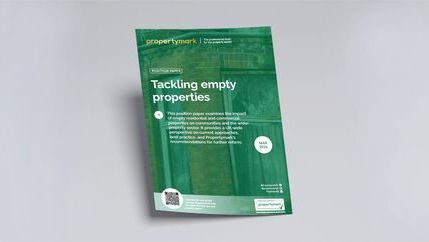
Propertymark has previously called for a more strategic approach to tackling empty properties, including measures that help owners return homes to use, improvements to local authority enforcement and support mechanisms, and better use of data to identify long-term vacancies. Bringing suitable empty homes back into occupation can make a positive contribution to housing supply, but should sit alongside wider efforts to increase housing delivery and support investment across all tenures.
30 Mar 2026


