(Updates copy to reflect rupee’s relative outperformance)
By Nimesh Vora
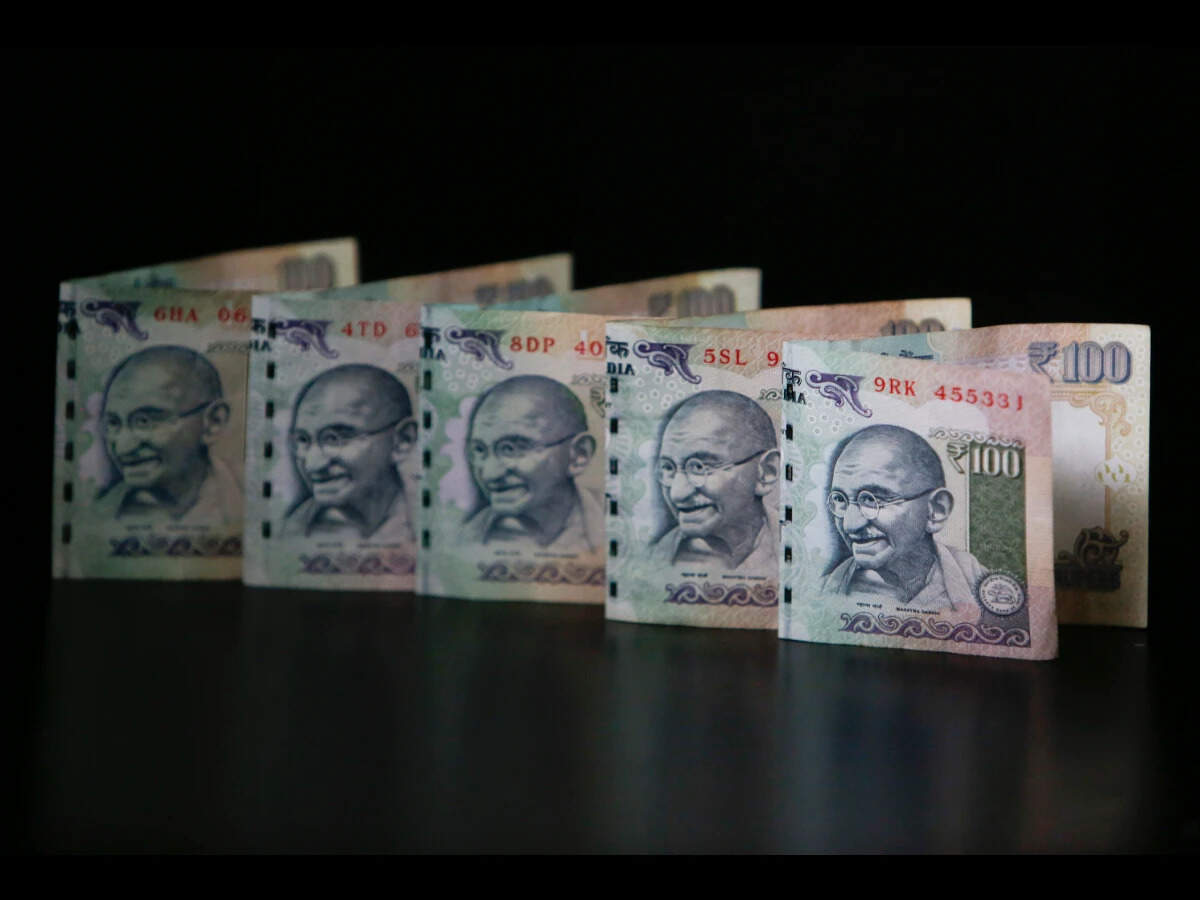
MUMBAI, – The Indian rupee is regaining appeal among emerging-market currencies after spending much of the year in the doldrums, as the once-dominant AI trade unwinds and brings overlooked markets back into focus.
For much of 2026, global investors have favoured technology-heavy markets, particularly in the US and North Asia, to build exposure to the AI trade.
Such a concentration of investment has worked against India, whose equity market has relatively limited exposure to the semiconductor and AI infrastructure supply chain, weighing on equities and the rupee.
That dynamic is now showing tentative signs of changing.
Concerns over the sustainability of massive AI infrastructure spending and stretched valuations were already challenging the technology rally when the Democratic Party swept the US midterm elections.
Investors fear that the new US political landscape raises the prospect of more oversight over AI companies and scrutiny of data-centre expansion.
Wall Street’s volatility “fear gauge” soared on Thursday and the Nasdaq sank 5.5%, its deepest one-day drop since ‘Liberation Day’ in April 2025.
Analysts at J.P. Morgan, Goldman Sachs and BlackRock have all in recent weeks highlighted India’s relative appeal if global investors look to diversify away from AI-heavy markets, with the country’s broad-based equity market and domestic growth drivers offering an alternative.
There are signs of this playing out.
Foreign investors have stepped up purchases of Indian equities, buying nearly $3 billion this week, including a $1.6 billion purchase on Thursday alone, the biggest single-day buying in nearly six years.
The return of foreign capital to Indian equities could provide the rupee with an important source of support, with overseas investors buying in after sustained withdrawals.
The local unit has been among Asia’s best-performing currencies this week, and was the region’s top performer on Friday, when most regional peers weakened.
It climbed to a six-month high of 94.10 against the US dollar, bucking the broader regional trend. In May, the currency hit an all-time low of 96.96.
A relatively stable rupee improves dollar-denominated returns for foreign investors, while lower oil is a “notable” tailwind for the world’s third-largest energy importer, Radhika Rao, senior economist and executive director at DBS Bank, said.
Brent crude is down nearly 20% this week, putting it on course for its steepest weekly drop since April 2020 on expectations that a weakened US president could seek a halt to the Iran conflict.
(Reporting by Nimesh Vora; Editing by Janane Venkatraman and Harikrishnan Nair)