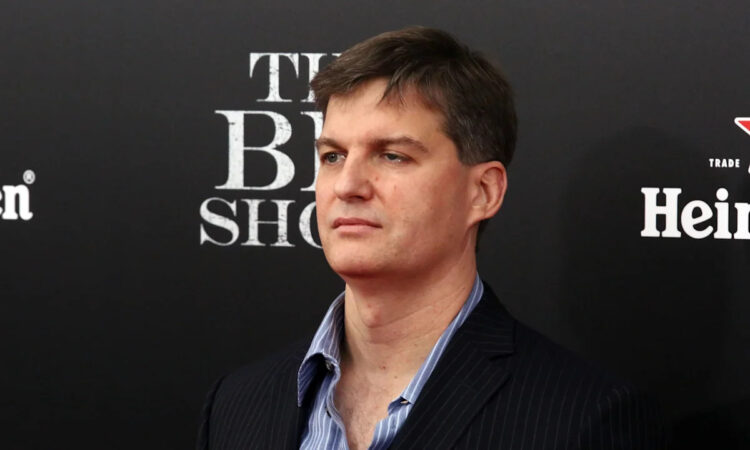
Just over a week ago, “The Big Short” investor Michael Burry pulled most of his chips off a winning Caterpillar bet. He cut those puts by 75% after they roughly quadrupled. Then Nvidia’s leadership turmoil gave him reason to press his other bearish bets.
In a Substack post on Thursday, Burry said he doubled his put position in the Nasdaq-100. He also bought back part of a put position in the VanEck Semiconductor ETF (SMH) that he had trimmed earlier this month.
A put gains value when the asset beneath it falls. Burry said the added Nasdaq puts expire in early 2027 with a strike about 20% below the market when he bought. To be worth anything at expiration, the index would have to fall more than that.
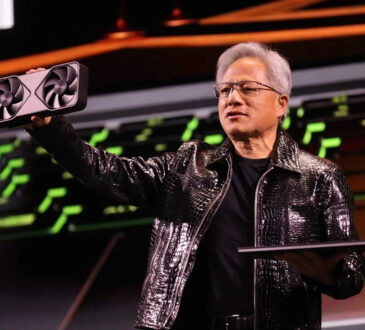
On Nov. 12, Jensen Huang resigned as Nvidia’s CEO and board member, effective immediately, according to a company filing. Finance chief Colette Kress is the interim CEO and remains CFO.
Also read: Michael Burry just made a big move on Caterpillar stock
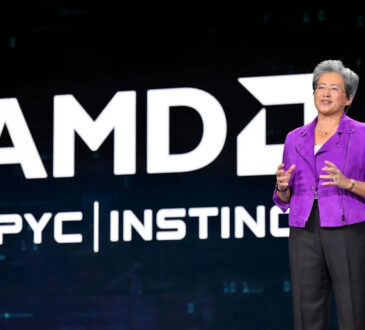
Yet Burry is not equally bearish on every chip stock. He named Broadcom Inc. (AVGO) and Advanced Micro Devices Inc. (AMD) as potential beneficiaries if Nvidia’s power fades, and that view shaped which chip fund he chose to short.
Burry’s fund choice tilts his bet toward Nvidia
SMH counts Nvidia among its largest holdings. Burry said he prefers it for short positions over the iShares Semiconductor ETF (SOXX) because SOXX’s top holdings are AMD and Broadcom.
He called SOXX a decent alternative for now, but not a great one. “I stick with SMH,” he wrote. Shorting a fund led by the two companies he sees as potential winners would cut against his own thesis.
That thesis centers on Nvidia’s partners and suppliers. Cloud providers Nebius and CoreWeave, chipmaker TSMC and chipmaking equipment supplier ASML benefited greatly from Nvidia’s “market power and largesse,” Burry wrote. That power, he added, “seems to have entered a new paradigm now.“
He also expects SMH valuations to fall further and the group’s earnings to decline over the next couple of years. The shift he describes starts in Nvidia’s executive suite.

Nvidia’s new boss may be less generous
Huang ran Nvidia through an unusual structure. He had about 60 direct reports and no chief operating officer, Fortune reported, leaving decision-making concentrated in his hands. That means a founder’s exit can change how a company treats partners, not just how it runs.
Burry pointed to reports that Kress had pushed back on Huang’s more aggressive dealings, only for him to go around her. If those reports hold up, Nvidia is now run by the executive who urged restraint.