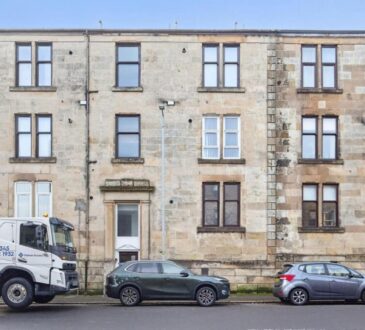
Last week, housing minister Matthew Pennycook announced what he called “the beginning of the end for the feudal leasehold system”.
With leasehold properties, buyers purchase a lease – a legal agreement giving them the right to occupy and use a property for a fixed period of time – while a freeholder owns the land and the building’s structure.
There have been calls to change the system for years, as owners often complain of rising service charges, unaffordable ground rents and high costs when they try to enfranchise (take control of) their building or sell their home.
On Thursday, the Commonhold and Leasehold Reform Bill was introduced to Parliament, meaning that many existing leaseholders will be able to switch to a form of ownership known as commonhold more easily, and it will become the default for most new flats and homes built in the future.
Instead of everyone having to agree before a building can convert to a commonhold – which gets rid of leases and gives owners more control over maintenance and repair decisions – just a 50 per cent neighbour vote will be needed, though there can also be costs to acquiring the freehold as well.
A ban on the sale of new leaseholds is expected to take effect two and a half years after the modernised commonhold model comes into force – around 2031.
But although the reforms will help many, there are some leaseholders who say it create a “two-tier” property market that will leave them behind and unable to sell their home without incurring massive losses.
‘Reform could leave us stuck’
32-year-old Lorenzo Scaltrito is one of them.
The assistant commercial manager, who lives in north London with his partner in a two-bedroom leasehold home, believes he and the other homeowners in his building, will not be able to move to a commonhold ownership model.
The building is a mix of commercial and residential properties and also features social housing. Many of the other homes are owned by private investors, and Lorenzo says it will be “very difficult” to get over half of the people in the building – which includes hundred of flats – to agree to transition.
Lorenzo has already tried to move home earlier this year. He bought his flat in 2020 via shared ownership – where you pay part of your bills via a mortgage and part via rent – but recently moved to owning 100 per cent of the home.
He then tried to sell it with no success, and says the new commonhold system could make it even worse.
“If commonhold flats are available in London and we’re stuck as leasehold, we may end up finding we can’t sell, unless there’s a massive discount. It could leave us stuck,” he says.
Lorenzo had his property valued at £580,000 when he bought out the portion he was previously renting, but says he believes he would be “lucky” if he were to sell for £540,000-£550,000.
“We want to move to a bigger home but we cannot move even if we get this amount as we will be losing equity,” he says.
“If commonhold goes ahead for most flats, we may end up in a sort of second-tier market, which would make things even worse,” he adds.
Helen Jansen, who also lives in north London, has similar fears to Lorenzo.
She’s owned her home for 26 years, but says a large portion of the building she lives in – over half – is commercial premises, and it’s unlikely the owners in the building will be able to end up converting to commonhold.
The 62-year-old former surveyor says she is “supportive” of the Government’s reforms, but says owners in her block will be some of the losers from the system change.
“We’ll be totally left behind but nobody will care. I’m worried about people who won’t be able to sell or will sell at a massive discount,” she says.
She says as soon as it became clear that the Government was committed to reforming the leasehold system “nobody has wanted to touch” flats like the ones in her building.
“I was very reluctant to get into leasehold but I had no choice as it was the only type of property – there were no commonhold flats. Leasehold was the only option,” she says.
What campaigners want to change
The new bill has been welcomed by some industry campaigners.
Paula Higgins, CEO of the HomeOwners Alliance, said making commonhold the default for most new flats was “welcome and long overdue”.
“If you buy a flat, you should own it outright and have a say in how your building is run and how your money is spent,” she added.
But campaigners say the Government needs to help people like Lorenzo and Helen.
Harry Scoffin, founder of campaign group Free Leaseholders, said the current bill would leave existing leaseholders to “rot in the commonhold future”.
“Only the smallest, most organised and affluent blocks will ever manage to get to commonhold,” he said.
“With commonhold being rolled out on new-builds, the existing leasehold stock will only become more of a pariah with buyers and lenders, as values continue to fall and service charges keep rising, making even more homes unmortgageable and unsellable,” he added.
Scoffin called for changes to something known as “right to manage”.
Leaseholders in qualifying blocks can take over management responsibilities from their freeholder or managing agent – taking control of things such as maintenance, repairs, building insurance and service charges – without buying the freehold for their building.
Leaseholders generally need at least 50 per cent of the flats in their building represented by members of a “right to manage” company, and Scoffin suggests changing this requirement for participation from 50 per cent of the entire block with a requirement for support from 50 per cent of those who respond to an invitation within eight weeks.
This means absentee investors and landlords cannot hold up the process.
“Without a universal ‘right to manage’ being added to this legislation, leaseholders who need to ‘take back control’ will remain trapped,” Scoffin says.
The Government was contacted for comment.