
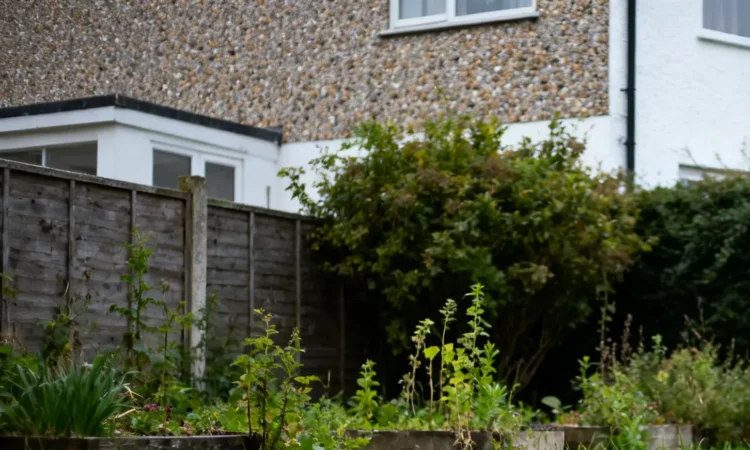
A recent tenancy deposit adjudication has highlighted the responsibilities tenants face regarding garden maintenance at the end of a tenancy, with implications for landlords and property managers across the UK rental sector.
The case involved a landlord’s claim for costs to restore an overgrown garden after tenants vacated the property. The landlord stated the rear garden had been returned with grass significantly exceeding its previous height, weeds throughout flower beds, and shrubs requiring substantial cutting back. Professional gardening services were arranged before new tenants moved in.
The tenant disputed the claim, maintaining that the garden had been properly maintained during the tenancy period. However, the adjudicator ruled in favour of the landlord after reviewing photographic evidence and documentation.
Evidence standards in deposit disputes
The landlord provided a check-in inventory describing the garden as well-maintained with neatly cut grass, trimmed shrubs, and weed-free borders, supported by photographs. The check-out report recorded long grass, substantial weed growth, and overgrown planting areas. An invoice from a gardening contractor detailing restoration work was also submitted.
Sandy Bastin, director of resolution at TDS Adjudication Services, noted that garden maintenance claims represent a common source of disagreement at tenancy end. The adjudicator determined that the garden had not been maintained to the standard demonstrated at check-in and that the landlord had reasonably incurred restoration costs.
Implications for the rental sector
The case underscores the importance of detailed property documentation for landlords managing rental portfolios. As UK rental growth is forecast to outpace house prices, disputes over property condition may become more frequent in a tightening market.
Property professionals advise that check-in reports should accurately record garden condition, with photographs proving particularly important in demonstrating changes over a tenancy period. Landlords should verify that tenancy agreements clearly specify tenant responsibilities for garden maintenance and retain invoices for any remedial work required.
The ruling confirms that tenants can be held financially liable for garden maintenance where this forms part of their contractual obligations, provided landlords can demonstrate the property’s condition at both check-in and check-out stages through appropriate documentation.