
Last week, a conversation with a close friend turned to the stock market and how much money she had lost. She wasn’t simply disappointed by the declining balances in her investment accounts. She was genuinely scared about what those numbers meant for her financial future. We are both in our mid-40s, and neither of us plans to retire anytime soon. We both earn six-figure incomes, live within our means and maintain a budget. We have spent years making intentional financial decisions to build wealth. Yet a week of poor market performance was enough to make her question her financial security.
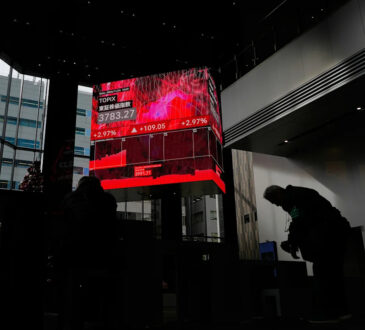
Her concerns were understandable. According to Reuters, the S&P 500 fell 8.6% during the week ending Nov. 20, its largest weekly decline since April 2025. By Monday, the index had recovered some of those losses, illustrating how quickly market conditions can change. Investors who sold in response to last week’s decline may have missed part of that recovery. What felt like a threat to long-term financial security on Friday looked considerably different just one trading day later.
My investments were affected, too, but I found myself thinking about the decline differently. My income hadn’t changed, my expenses hadn’t increased and my investment time horizon hadn’t shortened. The value of my investments had changed, but the foundation of my financial life had not. As a financial researcher and self-made millionaire, I have become increasingly interested in the distinction between accumulating wealth and experiencing financial security. How we interpret changes in our financial circumstances can influence our decisions just as much as the changes themselves.
Why Losing Money Feels Worse Than Making It
One of the most widely studied concepts in behavioral economics is loss aversion, the tendency to experience losses more intensely than comparable gains. When an investment portfolio increases by $50,000, we may feel pleased with our financial progress. When that same portfolio declines by $50,000, however, we may experience anxiety, question our financial decisions and reconsider our retirement plans. Although the dollar amount is identical, the emotional experience can be remarkably different.
Economists Shlomo Benartzi and Richard Thaler’s research on myopic loss aversion examines how sensitivity to losses interacts with the frequency with which investors evaluate their portfolios. Their research helps explain why frequently monitoring long-term investments can amplify financial anxiety. Today, technology allows us to check our investment balances before getting out of bed, while standing in line for coffee or just before going to sleep. We have unprecedented access to information about our financial circumstances without necessarily having the psychological tools to interpret it.