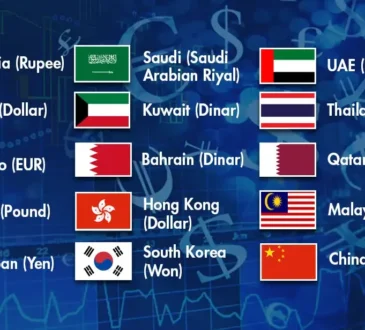
Asian currencies traded cautiously on Thursday after the U.S. Federal Reserve delivered a widely expected 25-basis-point rate cut but paired it with a hawkish outlook. The Fed lowered its benchmark rate to 3.50%-3.75%, marking the third cut of this cycle, yet policymakers signaled they are not committed to further easing. Three members dissented, reflecting uncertainty within the central bank. Chair Jerome Powell described the move as “insurance” amid a cooling labor market, emphasizing that inflation risks remain and future decisions will be data-driven. ING analysts noted that the latest dot plot continues to project only one additional cut in 2026, reinforcing the Fed’s cautious stance.
The U.S. Dollar Index slipped 0.1% in early Asian trade after declining 0.4% following the Fed announcement. Major Asian currencies were mixed, with the Japanese yen slightly firmer and the Singapore dollar inching higher. The South Korean won weakened 0.3%, while China’s onshore and offshore yuan pairs remained largely unchanged as traders awaited more cues on economic policy.
The Australian dollar saw sharper downside, falling 0.6% after the country unexpectedly lost 21,000 jobs in the latest employment report. A steep drop in full-time roles raised doubts about the Reserve Bank of Australia’s ability to pursue additional tightening despite stubborn inflation, pressuring the AUD/USD pair.
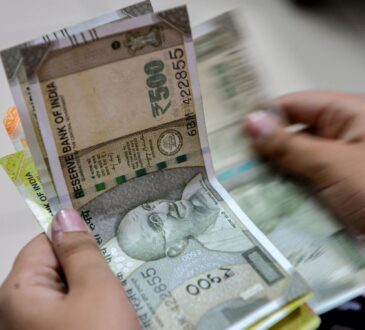
In India, the rupee slipped back toward record lows as renewed capital outflows and strong dollar demand pushed USD/INR up 0.6% to 90.3. Analysts attributed the weakness to foreign investor selling and domestic liquidity concerns, keeping the currency near last week’s all-time high of 90.5.
Overall, the combination of a softer dollar, cautious risk sentiment, and diverging economic signals across the region kept Asian forex markets on a tentative footing, with traders closely watching inflation trends and central bank policy paths for direction.