Indian rupee at 91.98 against dollar, hits new all-time low — 2% decline this year – Firstpost
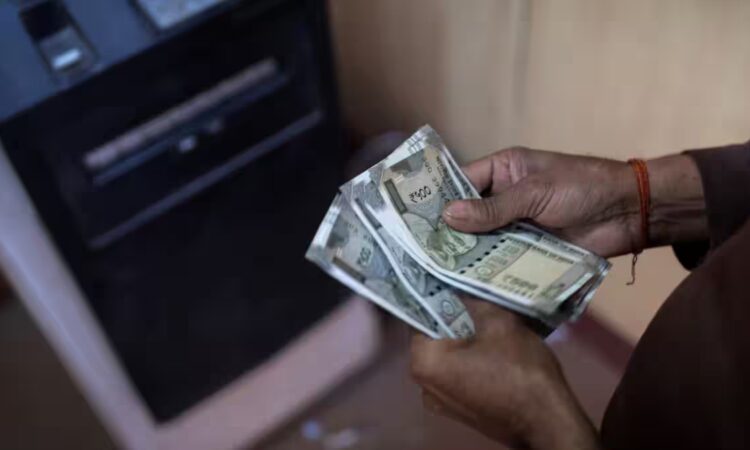
The Indian rupee has fallen to 91.98 against the US dollar to an all-time low. The Indian currency has so far fallen 2% this year.
The Indian rupee hit an all-time low on Thursday, as continued weakness in foreign capital flows and a rush to hedge against further depreciation overshadowed impulses from a buoyant domestic economy.
The rupee declined to 91.9850 per dollar, eclipsing its previous all-time low of 91.9650 hit last week.
The currency has declined 2 per cent so far this year and nearly 5 per cent since US President Donald Trump imposed steep tariffs on India’s merchandise exports in August. That’s even as India’s GDP grew 8.2 per cent in the quarter ended September 30, according to official data.
“While we anticipate current elevated US tariffs on Indian exports to eventually be lowered, the delay in the meantime remains a drag on India’s external balances,” analysts at Goldman Sachs said in a note. The firm expects the rupee to fall to 94 per dollar in the next 12 months.
The Reserve Bank of India likely intervened before the local spot market opened on Thursday, traders said. The intervention was likely intended to slow the fall as the rupee approached the psychologically important 92 level, a trader at a foreign bank said.
The rupee has declined to near 92 levels after breaking past 91 for the first time only six trading sessions earlier. The central bank has maintained it does not target any level or band on the currency and only steps in to curb excessive volatility.
Persistent pain
Besides steep US tariffs, chunky foreign portfolio outflows, a rise in bullion imports and corporate anxiety over the rupee’s fortunes driving hedging activity have kept the currency under pressure even as India continues to be the world’s fastest growing major economy, recently closing a free trade deal with the European Union.
Since the tariffs came into effect, the rupee has declined 7.5 per cent each against the euro and the Chinese yuan too. On a trade-weighted basis, the rupee’s real effective exchange rate stood at 95.3 in December, the lowest in a decade, according to central bank data.
“RBI is more comfortable allowing flexibility in the INR and will likely replenish FX reserves on USD/INR dips, which should limit INR appreciation,” analysts at Goldman Sachs said.
Throes of a trilemma
Converging headwinds have left the Indian currency increasingly reliant on the Reserve Bank of India’s market interventions. Data shows that the central bank net sold over $21 billion in October and November last year, the most recent months for which data is available.
Analysts and traders say dollar sales have continued, but efforts to support the rupee have strained domestic debt markets, as the associated withdrawal of banking system liquidity pushes bond yields higher.
A persistent rise in bond yields and concurrent pressure on the currency pose a so-called monetary trilemma for the central bank, which throws up trade-offs between supporting the currency, anchoring borrowing costs and allowing unfettered capital movement.
The central bank has sought to address this by conducting open market bond purchases and dollar-rupee buy/sell swaps, another round of which is slated for next month.
“Liquidity conditions will remain challenging owing to a likely persistent balance of payments deficit, slower pace of general government fiscal consolidation, steady growth in currency in circulation and recovering credit demand,” according to analysts at ANZ.
(This is an agency story. Except for the headline, the story has not been edited by Firstpost staff.)
End of Article